
Kelsey Easton April 10, 2026
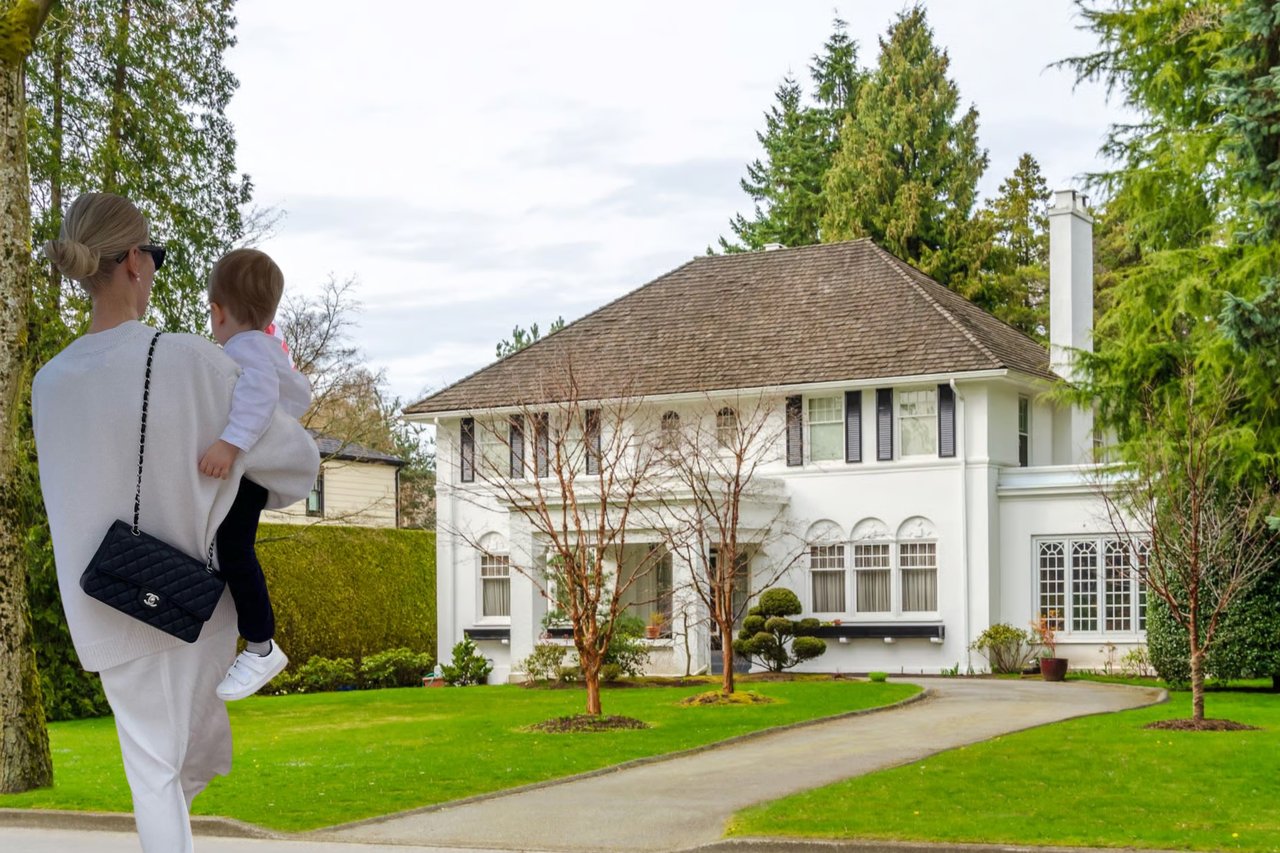
After working on more than $250M in Austin real estate transactions, one pattern is clear: in the $1M+ price point, it’s rarely the market that costs buyers money, it’s the decisions made along the way.
Here are the seven most expensive mistakes I see high-end Austin buyers make, and how to avoid them.
A standard general inspection is a great starting point, but at the $1M+ level in Austin, it's almost never enough on its own. The general inspector is a generalist: they're looking at the big-picture condition of the home, not at the specialized systems that cost the most to fix when something goes wrong.
The inspections I see buyers skip most often are the ones that end up costing them six figures down the road:
Pool inspections. If the home has a pool, you need a dedicated pool inspection, not just a glance from the general inspector. Austin has a real problem with concrete cancer (alkali-silica reaction) in older gunite pools, where the concrete literally starts breaking itself down from the inside out. A pool that looks fine on tour can be a $40k-$80k replaster-and-replumb job within two years. A pool inspector will test the plaster, check the tile bond beam, pressure-test the plumbing, and look at the equipment pad. Non-negotiable for any home with a pool.
Septic inspections. A lot of buyers don't realize how many $1M+ Austin homes, especially in Westlake, Lakeway, Bee Cave, and pockets of Tarrytown, are still on septic. A failed septic system is a $15k-$50k surprise, and general inspectors don't pump and scope the tank. Always get a dedicated septic inspection with a pump-and-scope if the home isn't on city sewer.
Mold and air quality. Austin's humidity plus aging HVAC systems equals hidden mold in more homes than you'd think, behind drywall, in attics, in crawl spaces, inside HVAC returns. If anyone in your family has allergies or asthma (or if you just smell anything funny on the tour), get an air quality test and a mold inspection. A remediation project can run $8k-$30k and weeks of displacement.
Other specialists to consider: foundation (especially on clay-heavy lots in West Austin), HVAC, roof, chimney, and sewer scope. Yes, it adds $1,500-$3,000 in inspection costs upfront. On a $1.5M purchase, that's the cheapest insurance you'll ever buy.
How to avoid it: Build an inspection plan for every home before you're in the option period, racing the clock. Your agent should know which specialists are worth ordering based on the age, location, and features of the home, and should have a bench of trusted inspectors ready to go. If your agent's default is "let's just do a general and see what it says," that's your sign to push harder.
Buyers in their 30s and 40s consistently underbuy in Austin. They shop for the life they have today, the two kids, the current commute, the current work-from-home setup, and not for the life they're going to have in three to five years. Then life changes (another kid, aging parent moving in, a dog, a home gym, a serious hobby) and suddenly the home that was perfect on day one feels too small, too dark, or too far from where they actually want to be.
Moving is expensive. Between agent commissions, closing costs, moving costs, and the friction of doing it all again, it can easily cost 8-10% of your home's value to sell and rebuy. On a $1.5M home, that's $120k-$150k of transaction cost that could have been avoided if you'd just bought the right house the first time.
How to avoid it: Think about your life in five years, not one. Are you planning more kids? A home office that actually works for two people? Room for visiting parents? A pool? A yard big enough for a dog? Write those things down before you tour, and filter homes against that list- not just what works for today. It's almost always cheaper to stretch a little now than to move again in 36 months.
The sticker price of an Austin home is only part of the story. At the $1M+ tier, I routinely see buyers underestimate the real monthly cost of ownership by 30-50% because they've only modeled the mortgage and insurance. The stuff that actually surprises them:
Property taxes. Travis County property taxes are high, effective rates of 1.8-2.3% are common, and on a $1.5M home that's $27k-$34k a year, or $2,250-$2,850 a month on top of your mortgage. Some of the newer developments (Lakeway, Bee Cave, Steiner Ranch) stack MUD and PID taxes on top of that.
Pool costs. A pool is a yard feature that bills you every month. Chemicals, cleaning service, equipment repairs, heater, and eventual replaster/retile all add up to $3,000-$8,000 per year on a typical Austin pool- more if it's heated or has a spa.
Electricity. Austin summers are brutal, and a 4,500 sq ft home with two HVAC systems, a pool pump, and a home office can easily run $600-$1,000/month in peak summer months. Buyers coming from cooler climates almost always underestimate this.
Everything else. Lawn care ($150-$400/month), tree work (Austin oaks are expensive to maintain and protect against oak wilt), pest control, HVAC service contracts, HOA dues, and a meaningful maintenance reserve (plan for 1-1.5% of home value per year).
How to avoid it: Build a true carrying-cost model before you offer- mortgage, taxes, insurance, HOA, utilities, pool, lawn, maintenance reserve, and property management if you'll ever rent it out. The right number is almost never the number your lender quotes you.
This is the one that costs buyers the most money, and it's the one I see most often. Zillow's Zestimate, Redfin's Estimate, and the new wave of "AI home value" tools have gotten so good at looking authoritative, clean UI, confident number, maybe a little range bar, that buyers treat them like an appraisal. They are not an appraisal. They're a statistical model guessing at your home's value from public data.
Zillow itself publishes the Zestimate's median error rate: roughly 3% on homes currently listed and around 7% on off-market homes. That already sounds scary on a $1.5M purchase, a 7% miss is over $100k in either direction. But in Austin luxury neighborhoods the real error is usually much worse. When every home on the street is custom, the lot sizes vary wildly, and there may only be 2-3 real comps in the last six months, a model that averages public records just doesn't have enough to work with. I've watched buyers walk away from a $1.3M home because the Zestimate said $1.2M, when the real market comp was $1.35M. I've watched others offer full asking on a $1.5M home because the Zestimate said $1.6M, when the real comp was $1.4M and they overpaid by $100k.
AI home value tools are even worse, because they sound smarter. They'll spit out a confident number along with a paragraph of reasoning, but they're working from the exact same public data and have zero context for what's actually happening on the ground. The AI doesn't know that the home backs to a busy street. It doesn't know about the all the upgrades one home has over the other. It doesn't know a house two doors down just sold off-market for $200k over what the MLS would suggest. It doesn't know the next-door neighbor is about to tear down and rebuild, dragging comps up with them. And it definitely doesn't know that the seller is motivated because of a job relocation or a divorce.
Here's the core point: people set the demand in a neighborhood, not algorithms. Value in Austin's luxury tier is driven by specific block-by-block dynamics, off-market activity, relationships between listing agents, and what buyers are actually willing to pay for a particular floor plan on a particular street in a particular month. None of that lives in a public dataset.
This is where a trusted local agent is genuinely irreplaceable. A good buyer's agent in Austin is tracking dozens of conversations the public never sees, what's about to come on, what just quietly closed, who's motivated, who's testing a price, which builder is over their skis. They'll pull 4-6 real comps, make thoughtful adjustments for lot, view, condition, and finishes, and tell you what the home is actually worth, not what a model thinks it's worth. And they'll do it with a reputation and a fiduciary duty on the line, which is something no algorithm has.
How to avoid it: Use Zestimate and AI tools the way you'd use Google reviews for a restaurant, as one data point among many, not as the answer. Before you write any offer, ask your agent for a manual CMA with real comps and real adjustments. If your agent can't explain, in plain English, why this home is worth what they think it's worth, and back it up with comps you can actually look at, find a different agent. The whole reason to have a local expert is so you're not left guessing, and so you're not trusting a confident-looking number from a tool that has never set foot in the neighborhood.
Austin has a growing private / off-market listing scene, especially at the $2M+ tier, and especially in Tarrytown, Westlake, Rollingwood, and Barton Creek. It can be a great way to access inventory that never hits the MLS, but it comes with a trap: buyers often assume that because a home is being sold privately, the price must be fair. It frequently is not.
Sellers list privately for a reason. Sometimes it's privacy. Sometimes it's a test, they want to float an aggressive number without burning days-on-market on the MLS. Sometimes it's specifically to avoid the comparison shopping and negotiation that comes with a public listing. If there's no MLS exposure and no appraiser involved (which is common when buyers are paying cash), there's nothing forcing the price to be tethered to reality.
I've seen private listings priced 10-20% above what the same home would have sold for on the open market. When you're paying cash and skipping the appraisal contingency, there's no external check on whether you're overpaying, unless you build one yourself.
How to avoid it: Work with an agent who can pull real comps for a private listing, including off-market comps the general public doesn't see. Ask for a full CMA even when the home isn't on the MLS. If you're paying cash, don't skip the valuation work just because the bank isn't making you do it; the point of an appraisal isn't the bank, it's protecting you. A good buyer's agent can tell you within a reasonable range what the home is actually worth and what a defensible offer looks like, and they can do it whether the listing is public, private, or somewhere in between.
This one catches buyers who have a plan for the home: add a second story, put in a pool, bump out the primary suite, take down a big oak to open up the backyard, build a casita for guests or in-laws. They close on the house, meet with a builder, and find out that the thing they were planning is either wildly expensive, wildly delayed, or flat-out not allowed.
There are two layers to watch. The first is HOA and deed restrictions. Neighborhoods like Barton Creek, Steiner Ranch, and parts of Rob Roy have active architectural review committees that can dictate paint colors, roof materials, fence style, landscape design, even where you park your trash cans. Deed restrictions can forbid things the city would otherwise allow- casitas, short-term rentals, specific exterior finishes. You need to pull the HOA docs and CC&Rs before you offer, not after.
The second layer, and this is the one that really trips up $1M+ buyers, is municipal permitting. And nowhere in Central Texas is this more brutal than the City of West Lake Hills. On paper, Westlake Hills looks like just another Austin zip code. In practice, it's one of the most restrictive permitting jurisdictions in the region, and buyers routinely underestimate what that means for a renovation plan:
Impervious cover limits. West Lake Hills caps how much of your lot can be covered by structures, driveways, patios, and pools. On a lot where you're already close to the limit (which is most existing West Lake Hills homes), adding a pool, a sport court, or even a larger driveway can be completely off the table until you remove something else. Buyers planning "we'll just put a pool in the backyard" are often shocked to find out the math doesn't allow it.
Tree preservation ordinance. Heritage oaks and protected trees in West Lake Hills can't just be removed. You need a permit, an arborist assessment, and often significant mitigation fees — and sometimes the answer is simply no. I've seen additions redesigned three times around a single tree.
Setbacks, height, and slope rules. Steep lots (which is most of West Lake Hills) come with cut-and-fill restrictions, height limits measured from natural grade, and setbacks that can make a second-story addition functionally impossible. A lot of buyers assume they can just "add up" — the city often says no.
Design review and permitting timelines. Even straightforward projects in West Lake Hills routinely take 6-18 months to permit once you factor in design review, engineering, and the city's review cycles. That's before you ever break ground. Buyers planning a quick renovation before moving in frequently end up living in a rental for a year longer than they budgeted for.
Similar dynamics (at varying levels of strictness) show up in Rollingwood, Tarrytown, and the historic districts in 78703 and 78704. And every HOA has its own quirks.
How to avoid it: If you have any plans to change the home, even "just" a pool, a fence, a primary suite addition, or removing a tree, do the research before you offer, not after. Pull the plat, the deed restrictions, the HOA CC&Rs, and the current city ordinances. For West Lake Hills homes specifically, have a quick call with a local architect or permit expediter who knows the city and can tell you within 30 minutes whether your plan is realistic. Your agent should know who these people are and should be making those intros as part of the due diligence — not after you're already under contract, watching the option period clock run out.
At the $1M+ level, buyers can tell. I've walked into countless homes where the sellers proudly pointed out the kitchen backsplash they tiled themselves, the built-ins the husband "custom-made" over a weekend, or the primary bath they refinished with YouTube tutorials. And every single time, I've watched buyers notice the slightly uneven grout lines, the cabinet doors that don't quite sit flush, the trim work that's just a hair off, the paint job with roller marks in the wrong light.
Here's the hard truth: at this price point, buyers are paying for craftsmanship. They expect professional-grade work from licensed trades, and they can spot amateur work from across the room, even if they can't articulate exactly what's wrong. They just know something feels "off," and that feeling gets directly translated into a lower offer (or no offer at all).
I've seen DIY projects actively hurt home values in a few specific ways:
It raises red flags about everything else. If a buyer sees a sloppy DIY backsplash, they start wondering what else was done without permits or professionals. Was the electrical done right? The plumbing? The structural work behind that wall you opened up? Suddenly your inspection contingency becomes a minefield.
It creates a "projects" mindset. Luxury buyers at this price point generally don't want a house they have to fix. When they see DIY work, they mentally start listing everything they'll need to tear out and redo — and that list comes directly off their offer price. A $15k DIY kitchen refresh can cost you $50k+ at the negotiating table because buyers budget for full demo and replacement.
Permits (or the lack of them) will catch up with you. Unpermitted DIY work, added bathrooms, finished basements, structural changes, and electrical additions show up in disclosures and inspections, and it scares buyers. Worse, it can kill financing. Lenders and appraisers don't like square footage that isn't on record with the city.
What to do instead. If you're planning to sell in the next 5 years, don't take on upgrades yourself. Hire licensed, reputable contractors, pull the proper permits, and keep the documentation. Yes, it costs more upfront, but at the $1M+ tier, professional work pays you back 2-3x at resale, while DIY work typically costs you money. If you're not planning to sell, do whatever you want in your own home. But the second resale enters the picture, put down the tile saw and call a pro.
The buyers touring your house aren't just looking at finishes; they're reading the level of care and investment you've put into the home. Make sure the story your upgrades tell is the one you want them hearing.
Buying a $1M+ home in Austin in 2026 is one of the best opportunities we've had in years, but only if you avoid these mistakes. Work with an agent who will walk you through every one of them (not just the ones that make the deal move faster) and you'll come out the other side with a home you love and meaningful money left in your pocket.
If you're in the early stages of considering an Austin purchase, inquire about my $1M-$2M Austin Buyer's Playbook, which covers the neighborhoods, current pricing, and the exact questions you should ask before you tour anything.
And if you want to talk through your specific situation, I'm happy to jump on a 15-minute call — no pitch, no pressure. Book directly on my calendar: Find a Time Here!
Kelsey Easton
Realtor | Compass
📧 [email protected]
📞 512-699-6091
After 8 years selling Austin homes at the $1M+ tier, here are the six most expensive mistakes I see buyers make — and exactly how to avoid them.


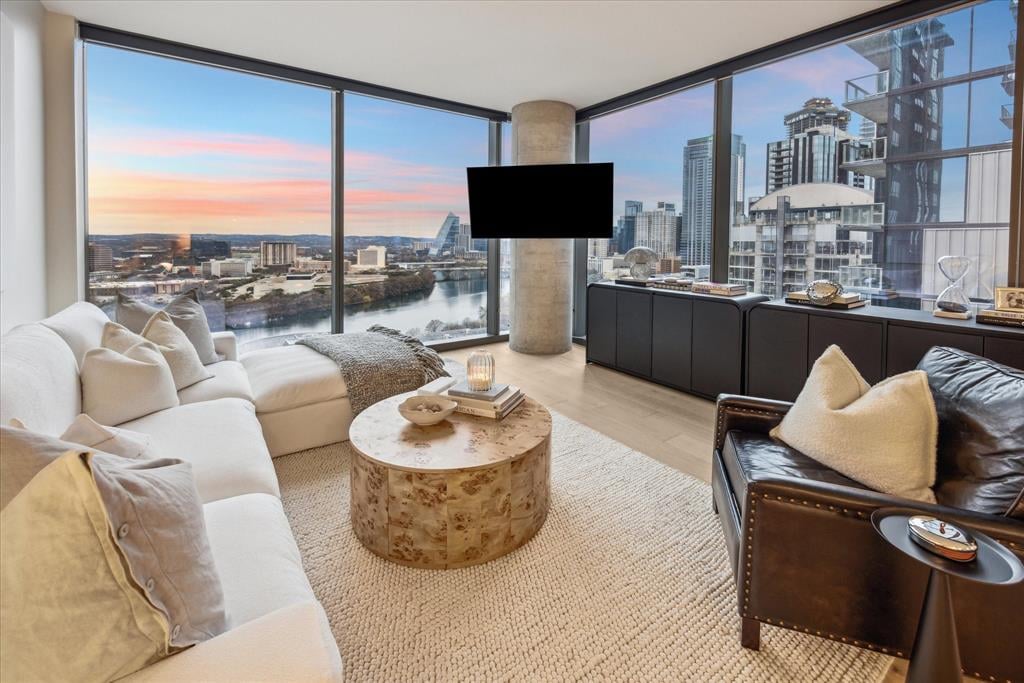
New Condo Buildings Coming Soon to ATX!

Call Kelsey today to schedule a private showing.
Get in Touch
KELSEY EASTON
2500 BEE CAVES RD WEST LAKE HILLS TX 78746