

Kelsey Easton November 4, 2026
If you're deciding between Austin and Dallas at $1M and up, here's the short answer: Dallas gives you more house, more established luxury neighborhoods, and a deeper bench of corporate relocation buyers. Austin gives you lot character, proximity to the Hill Country and Lake Austin, and a market where negotiating power has shifted toward buyers this year. Neither is "better." They reward different priorities, and I'll walk you through where each one wins.
I work Austin's luxury market every day, and I've helped plenty of buyers who started their search by comparing the two cities. Here's the honest breakdown, including where Dallas beats us.
Dallas, in most cases. At the $1.5M to $3M tier, Park Cities and Preston Hollow typically offer larger homes on larger, flatter lots than comparable Austin neighborhoods like Tarrytown, Old Enfield, or Pemberton Heights. Dallas has more land to build on and a much bigger supply of luxury inventory, so price per square foot at the top end tends to run lower than in Central and West Austin.
Austin's premium is tied to scarcity. Westlake Hills, Rollingwood, Tarrytown, and Barton Creek are hemmed in by the Colorado River, greenbelts, and the Hill Country, and Westlake Hills carries real build constraints: impervious cover limits, a tree ordinance, and a permitting process that shapes what you can actually construct. A $2M budget in Westlake Hills often buys a smaller home on a more constrained lot than the same budget in North Dallas. What you're paying for is the setting: Eanes ISD, hillside views, and 10 to 15 minutes to Lake Austin or downtown.
Both cities sit in Texas, so neither has a state income tax, and both have high property taxes. That's the common ground. In both markets, expect effective rates in the neighborhood of 2% of assessed value once you stack city, county, school district, and any special districts together. On a $2M home, that's roughly $40,000 a year in either city, and the exact figure depends on the specific taxing entities, your exemptions, and the appraisal.
The differences come from the details. Austin properties inside certain MUDs or PIDs carry additional assessments, and Hill Country and lakefront homes can mean higher insurance premiums and extra maintenance, from foundation work on our clay soils to wildfire and flood considerations. Dallas has its own costs, including hail and wind damage that has pushed up insurance for a lot of North Texas owners. Before you compare cities, compare the actual tax bill and insurance quote on a specific home, not the headline rate.
Austin wins on lifestyle geography. You can be on the water at Lake Austin, golfing at Barton Creek or Austin Country Club, or hiking the greenbelt without leaving the city. Neighborhoods like Tarrytown, Pemberton Heights, and Westlake Hills put you inside a few miles of downtown with a Hill Country feel that Dallas simply doesn't have.
Austin also has momentum on negotiating power. Luxury inventory has been more balanced this year than it was at the 2021 to 2022 peak, which means buyers at $1M+ are getting price reductions, seller concessions, and inspection leverage that weren't available a few years ago. In my own deals, the best-priced opportunities tend to be well-presented homes that were priced a little aggressively at launch and have since adjusted. If you're patient and work with an agent who watches price changes and private listings, you can still find value.
Dallas wins on depth and infrastructure. It has a larger luxury inventory, a longer-established tier of private schools and country clubs, and a bigger corporate base. DFW Airport also makes it far easier to live there if you travel constantly. If you want a classic estate on a big lot with mature trees and a built-out neighborhood, Preston Hollow and the Park Cities deliver something Austin's smaller luxury core cannot match in volume.
Dallas is also a better fit if your work is in finance, energy, or corporate headquarters, since much of that concentration sits in the DFW metro. Austin is stronger for tech, startups, and founders who value a smaller, more outdoors-oriented lifestyle.
Start with three questions. First, where does your income or business actually sit? Commute and airport access matter more at this price point than most buyers expect. Second, do you want land and square footage, or setting and lifestyle? That one question usually settles it. Third, how important are schools? Both cities have strong public and private options, but they sit in very different places and price points, so tour them in person.
If you're still torn, spend a long weekend in each. Look at homes in the $1.5M to $2.5M range, drive the commute, and tour a school or two. By Sunday, most of my clients know.
Dallas gets you more home for the dollar and a deeper luxury market. Austin gets you the Hill Country, the lake, and a market where patient buyers currently have more leverage. If lifestyle and setting drive your decision, Austin usually wins. If square footage, lot size, and corporate access drive it, Dallas usually does. Either way, compare real listings, real tax bills, and real insurance quotes before you commit.
Generally, yes on a price-per-square-foot basis in Central and West Austin. Dallas typically offers larger homes and lots at the same price point, while Austin's premium reflects limited land and its Hill Country and lake setting.
They're close. Effective rates in both metros often land around 2% once all taxing entities are included, so the real difference comes from the specific property, exemptions, and any MUD or PID assessments.
It depends on your industry and lifestyle. Dallas is stronger for corporate and finance roles and air travel; Austin is stronger for tech and outdoor lifestyle. Many of my relocation clients visit both before deciding.
For buyers, conditions are more favorable than during the 2021 to 2022 peak, with more inventory and more room to negotiate. Every home is different, so I recommend reviewing recent comparable sales before making an offer.
If you're thinking about buying or selling in Austin at the $1M+ level, I'd love to chat.
Kelsey Easton, Compass Austin
(512) 699-6091
[email protected]
Connect with me on Zillow
Buying, selling, or just exploring? Let's connect.


What I'm seeing from five recent Easton Park deals: builder incentives, resale pricing, and where the market goes into year end.
Dallas gets you more house; Austin gets you the Hill Country, the lake, and a market where patient $1M+ buyers have leverage. Here's how to choose.

Early access is not the same as a discount. Here is how I help $1M+ buyers decide whether a private Austin listing is worth pursuing.
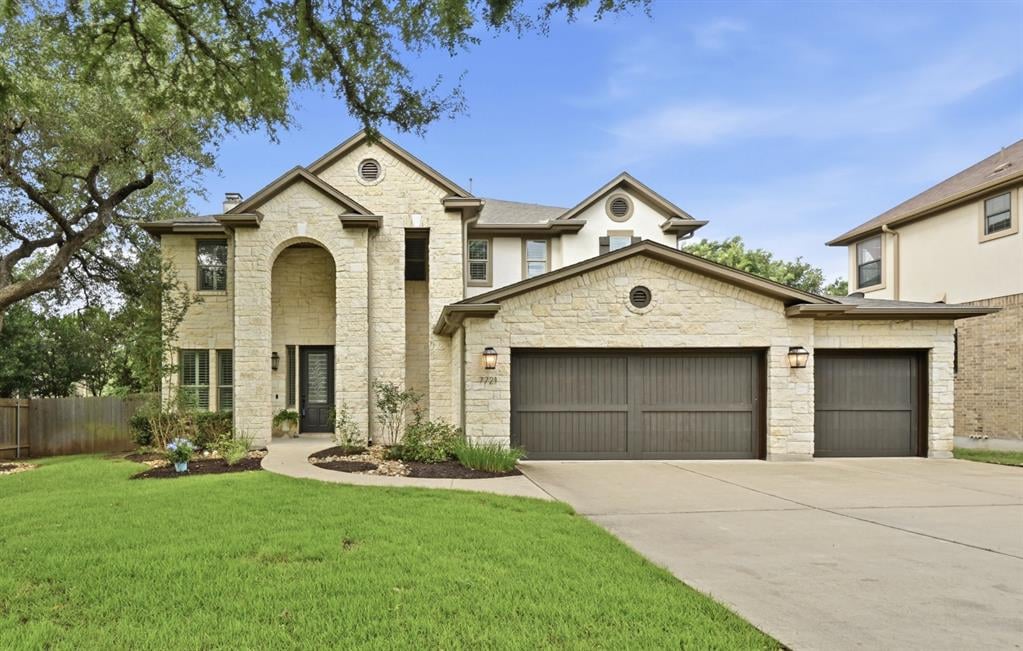
Buying
Real listings, real photos and real numbers from Downtown to Dripping Springs: the best-looking finished homes around $1 million in each part of Austin right now.
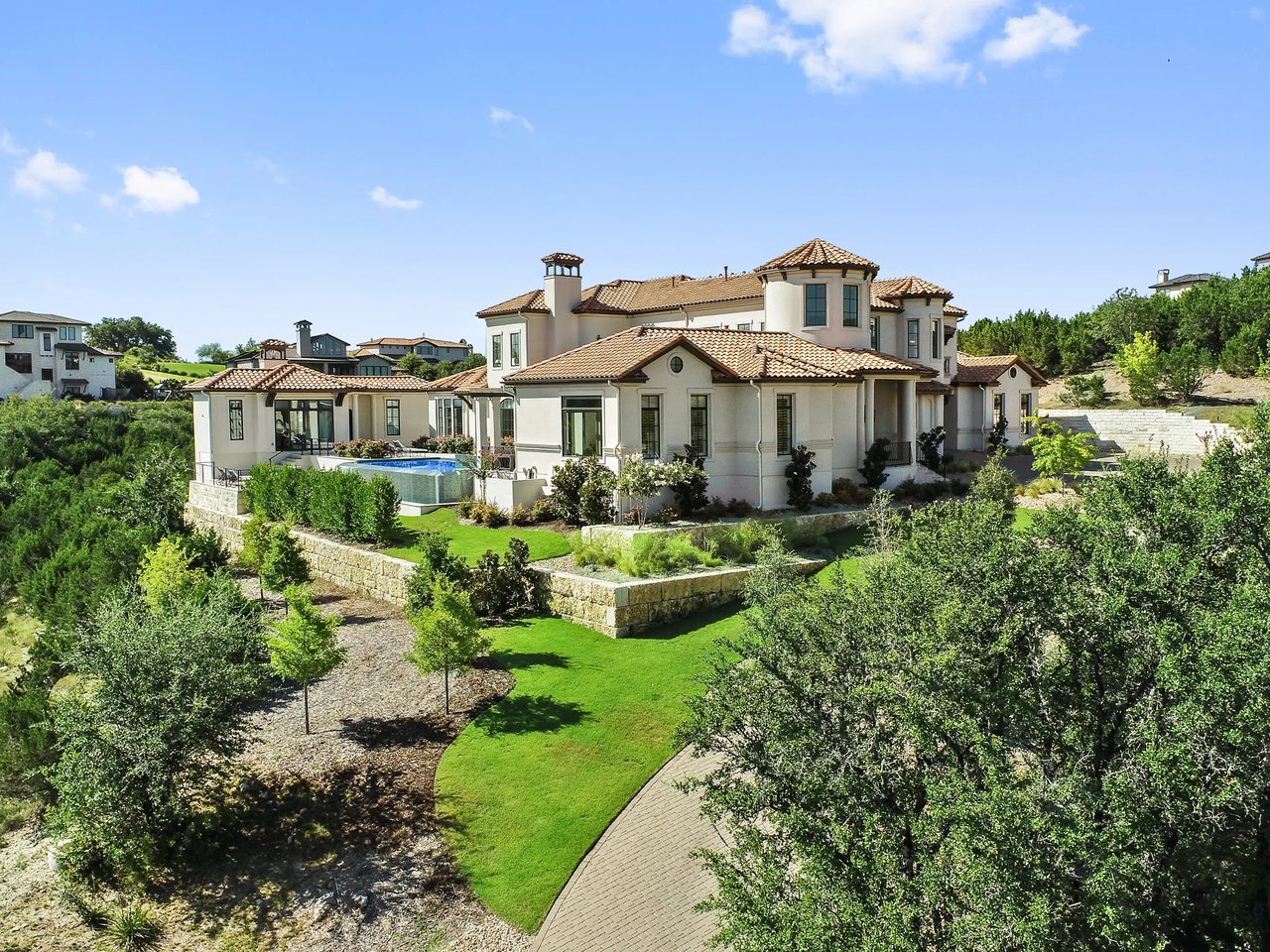
I will not guess at a number, but the latest $1M+ data shows a steady market with more inventory and real room to negotiate. Here is what it means for buyers and selle… Read more

September and October 2026 MLS data: where Austin luxury buyers have leverage by price tier and neighborhood, and how much is selling off market.
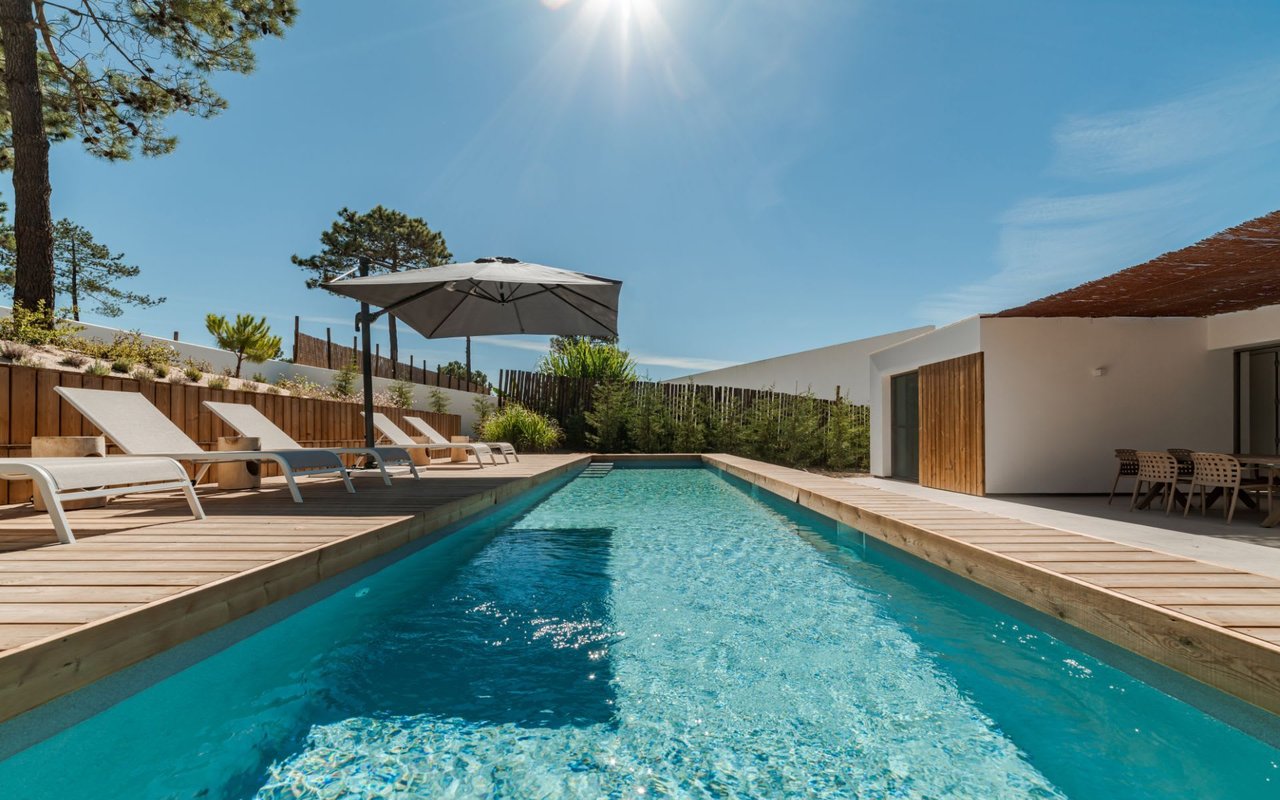
A line-by-line look at what a financed $1.5M Austin purchase really costs at the closing table, and who typically pays for what.
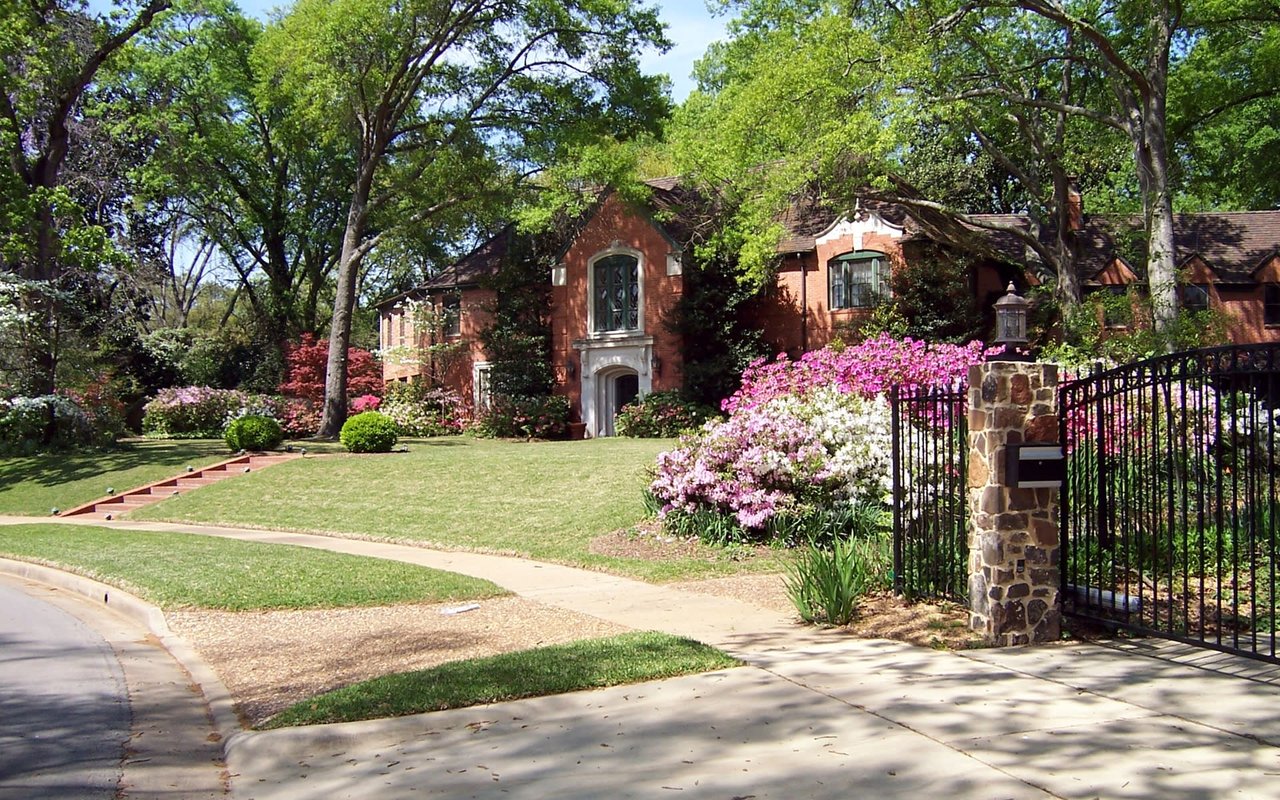
Most $1M+ Austin closings take 30 to 45 days, and cash deals can close in two weeks. Here's what controls the clock and how to keep your deal on schedule.

Rates are near 7% and sellers are cutting prices. Here is what the latest numbers mean for your leverage.
Get in Touch
KELSEY EASTON
2500 BEE CAVES RD WEST LAKE HILLS TX 78746