

Kelsey Easton November 18, 2026
Yes, you need a buyer's agent for a $1M+ home in Austin, and in Texas you will now sign a written agreement with that agent before you tour. The real question is no longer whether to have representation, but what you are paying for, how that fee is structured, and whether the agent across the table is working for you or for the listing.
I get this question constantly, usually from relocation buyers who have heard that "the commission rules changed, so I don't need anyone." I understand why it sounds logical. At $1.5M, even a negotiated fee is real money. But the math on what a good buyer's agent protects (and what a bad deal costs) points the other direction. Here is the honest version from someone who sits at the closing table every month.
Since the NAR settlement practice changes in August 2024, buyers work under a written agreement with their agent before touring homes, and buyer agent compensation can no longer be offered through the MLS listing. Texas followed with its own form requirements, and the TREC buyer representation agreement now spells out compensation, a term, and a protection period. The agreement also has to state that the fee is not set by law and is negotiable.
Common structures include 3% of the purchase price. What you want to understand before you sign is who pays the difference if a seller contribution falls short. At $1.5M, each percentage point is $15,000, so that one line deserves a slow read. I walk through other closing-side numbers in my breakdown of closing costs on a $1.5M Austin home.
You can, legally. But just because you can doesn't necessarily mean you should, especially when purchasing a multimillion-dollar property. The listing agent represents the seller, and their responsibility is to protect the seller's interests. In Texas, an agent can act as an intermediary with written consent from both parties, but there are restrictions on the advice and advocacy they can provide unless separate agents are formally appointed. When you approach a listing agent directly without your own representation, you should understand that the listing agent's obligation is to the seller, not you.
The potential savings are also less certain than they might appear. Real estate commissions are negotiable, and there's no guarantee that a seller will reduce their price simply because you aren't represented. You could end up paying the same purchase price while giving up the benefit of having someone negotiate and advocate on your behalf. But beyond the representation and financial considerations, there's a much bigger question: Do you have the time, experience, and local market knowledge to navigate the transaction yourself? Can you confidently interpret a Texas real estate contract and understand the implications of time-sensitive deadlines? Do you know what happens if you miss your option period, financing approval deadline, or other contractual obligations? Are you prepared to coordinate inspections, communicate with the title company and lender, evaluate repair estimates, and negotiate with the seller, all while managing your full-time career and personal responsibilities?
Let's say your inspection uncovers $45,000 in potential repairs, including roof damage, foundation movement, and HVAC deficiencies. Do you know which findings are typical for a home of that age and which warrant further investigation? Can you distinguish between cosmetic issues and potentially significant structural concerns? More importantly, do you know how to negotiate those findings in the context of the current market? Do you have trusted roofing contractors, structural engineers, foundation specialists, and other trades who can provide reliable evaluations and estimates within a matter of days, sometimes while you're working a full-time job? And what about the things that aren't immediately obvious in an online listing, property disclosure, or AI-generated home analysis?
Resale challenges: That beautiful home may back onto a busy road, have an unusual floor plan, lack a functional backyard, have unpermitted work, or sit on a lot that could limit its future buyer pool. Do you know how those characteristics affect value and resale potential in that specific neighborhood? School zoning: A home may currently be assigned to highly desirable schools, but are there proposed attendance boundary changes, capacity concerns, or district decisions that could affect future assignments? Do you know where to investigate those possibilities before making an offer?
Location nuances: Two homes in Westlake, Tarrytown, or Barton Creek may have similar square footage and finishes but vastly different values based on their street, topography, privacy, accessibility, or proximity to future development. Those differences aren't always reflected in automated valuations. Hidden ownership costs: Does the property have an unusually high tax rate, significant HOA restrictions, expensive maintenance requirements, aging mechanical systems, or insurance considerations that could substantially affect your long-term cost of ownership?
New construction considerations: Do you know which builder incentives are genuinely valuable, how to negotiate upgrades versus price reductions, what to look for during construction inspections, or how builder warranties actually work when an issue arises? Off-market opportunities: Are you seeing the full range of available properties, including private exclusives and homes being quietly marketed through agent networks before reaching the public market?
Negotiating leverage: Has the seller already purchased another property? Has the home been sitting on the market longer than comparable listings? Did a previous contract fall through? Are competing listings creating pressure? Some of this information may be discoverable, while other details require relationships, experience, and thoughtful conversations with other agents.
Then there's the market itself. The Austin luxury market doesn't operate on a monthly or quarterly schedule. Conditions can shift week by week, and sometimes even from one transaction to the next. A neighborhood that appeared competitive a month ago may suddenly have several new listings, price reductions, or a significant comparable sale that changes a property's negotiating position. An experienced agent who is actively representing buyers and sellers sees these changes firsthand. They understand which homes are attracting serious interest, where sellers are becoming more flexible, what concessions are being negotiated, and when a property is genuinely priced well versus simply marketed that way.This is information you cannot always obtain by looking at sold listings or asking AI what a home is worth. Closed sales tell you what happened weeks or months ago. Active market participation provides insight into what's happening right now.
And when you're considering a $2 million, $4 million, or $6 million purchase, those distinctions matter. A seemingly minor difference in valuation, contract terms, or negotiating strategy can translate into tens or even hundreds of thousands of dollars. The real value of a buyer's agent isn't opening doors or sending listings. It's knowing what to look for, what questions to ask, what risks to investigate, when to negotiate, and when to walk away. Purchasing luxury real estate is not simply about finding a beautiful home. It's about making a well-informed investment, protecting your interests, and understanding how today's decisions may affect your financial position and resale opportunities years down the road.
Four things matter most at $1M and above, and none of them are "unlocking the door."
Pricing judgment. Zillow and the Austin appraisal district will not tell you whether a West Lake Hills home is priced off a view, a lot, or last year's comps. Luxury pricing is thin-data work. A good agent pulls true comparable sales, adjusts for lot size, finishes, and flood or slope issues, and tells you when a list price is fiction.
Access to inventory. A meaningful share of Austin's best homes trade before or without a public MLS push. Through Compass and the Speed and Neuren Group, I see private exclusives and hear about coming-soon homes that most buyers never see. Ask any agent you interview how they actually source homes before they hit the public market.
Contract and due diligence strategy. Option periods, survey and title objections, septic or well on hill country acreage, impervious cover limits, and HOA or architectural review rules in places like Tarrytown and Lake Austin are where six-figure surprises hide. Someone has to know which questions to ask and which inspectors to call.
Negotiation. Luxury buyers in Austin have more leverage in some price bands than others right now. Knowing which band your target home sits in changes your opening number, your repair requests, and how hard you push on closing credits. I cover where that leverage actually sits in where Austin luxury buyers have the most negotiating power.
Treat it like hiring anyone else on a seven-figure decision. Ask how many homes at your price point they have closed in the last year, in which neighborhoods, and whether they work with a team or alone. Then read the agreement, not just the headline fee. Check the broker named on the form (the firm, not only the agent), the start and end dates, the geographic area, whether the agreement is exclusive, and how long the protection period runs after it ends. Ask for a clear path to terminate if the relationship is not working. Ask what happens if a seller concession covers only part of the fee. And ask how they handle a home you find on your own, since exclusive agreements can still owe compensation in that case.
For a $1M+ Austin purchase, a buyer's agent is not a luxury add-on, it is risk management, and in Texas you will have a written agreement either way. Negotiate the fee, understand who pays any shortfall, and choose someone who knows your specific neighborhoods and price tier. The buyers who get hurt are rarely the ones who paid a fair fee. They are the ones who overpaid on price, missed a defect, or lost a home to a stronger offer because no one was in their corner.
Yes. The TREC buyer representation form states that compensation is not set by law and is negotiable. You can agree to a percentage, a flat fee, or a structure that relies on seller concessions.
It depends on what your signed agreement says. Many agreements specify whether you owe the difference when a seller concession falls short, so read that section before signing.
Texas allows limited intermediary arrangements with written consent from both parties, but the agent cannot advocate fully for either side. For a luxury purchase, most buyers are better served by independent representation.
Yes, arguably more so. The builder's sales representative works for the builder, and incentives, lot premiums, and contract terms are all negotiable in ways a first-time new-build buyer rarely knows.
Kelsey Easton, Compass Austin
(512) 699-6091
[email protected]
Connect with me on Zillow
Buying, selling, or just exploring? Let's connect.
Early access is not the same as a discount. Here is how I help $1M+ buyers decide whether a private Austin listing is worth pursuing.
Texas now requires a written agreement before you tour, and the fee is negotiable. Here is what a buyer's agent really protects at $1M+.

Tree lighting, Trail of Lights, Mozart's, Luminations and more, with every 2026 date in one place.

Buying
Don't just look at the elementary school. Here are the seven Austin areas I'd target for a strong K-12 pathway, with typical price points for each.

What I'm seeing from five recent Easton Park deals: builder incentives, resale pricing, and where the market goes into year end.

Dallas gets you more house; Austin gets you the Hill Country, the lake, and a market where patient $1M+ buyers have leverage. Here's how to choose.
Buying
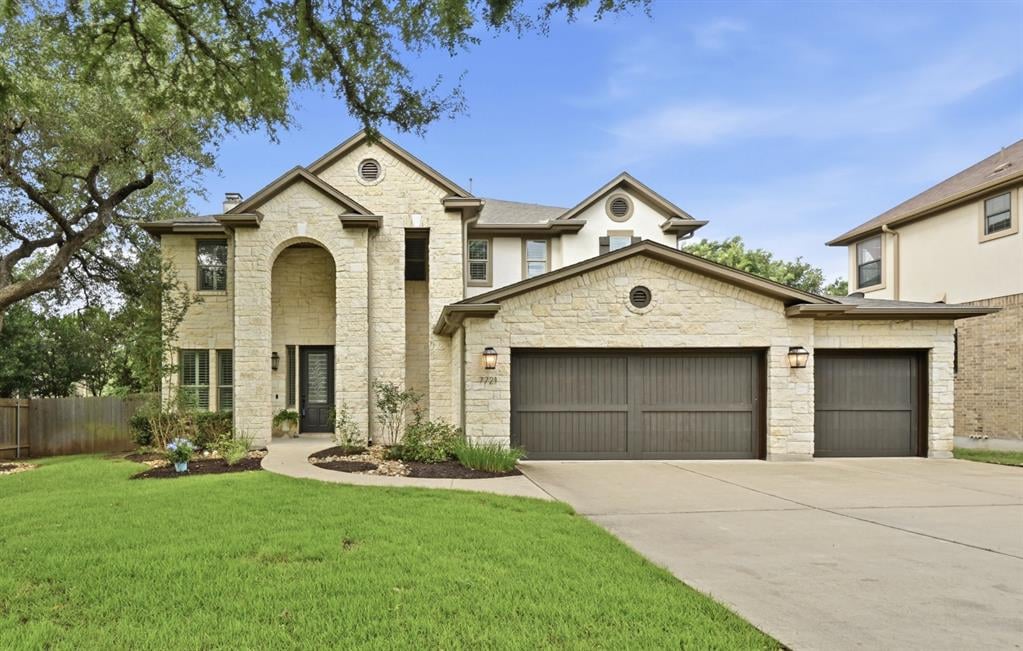
Real listings, real photos and real numbers from Downtown to Dripping Springs: the best-looking finished homes around $1 million in each part of Austin right now.
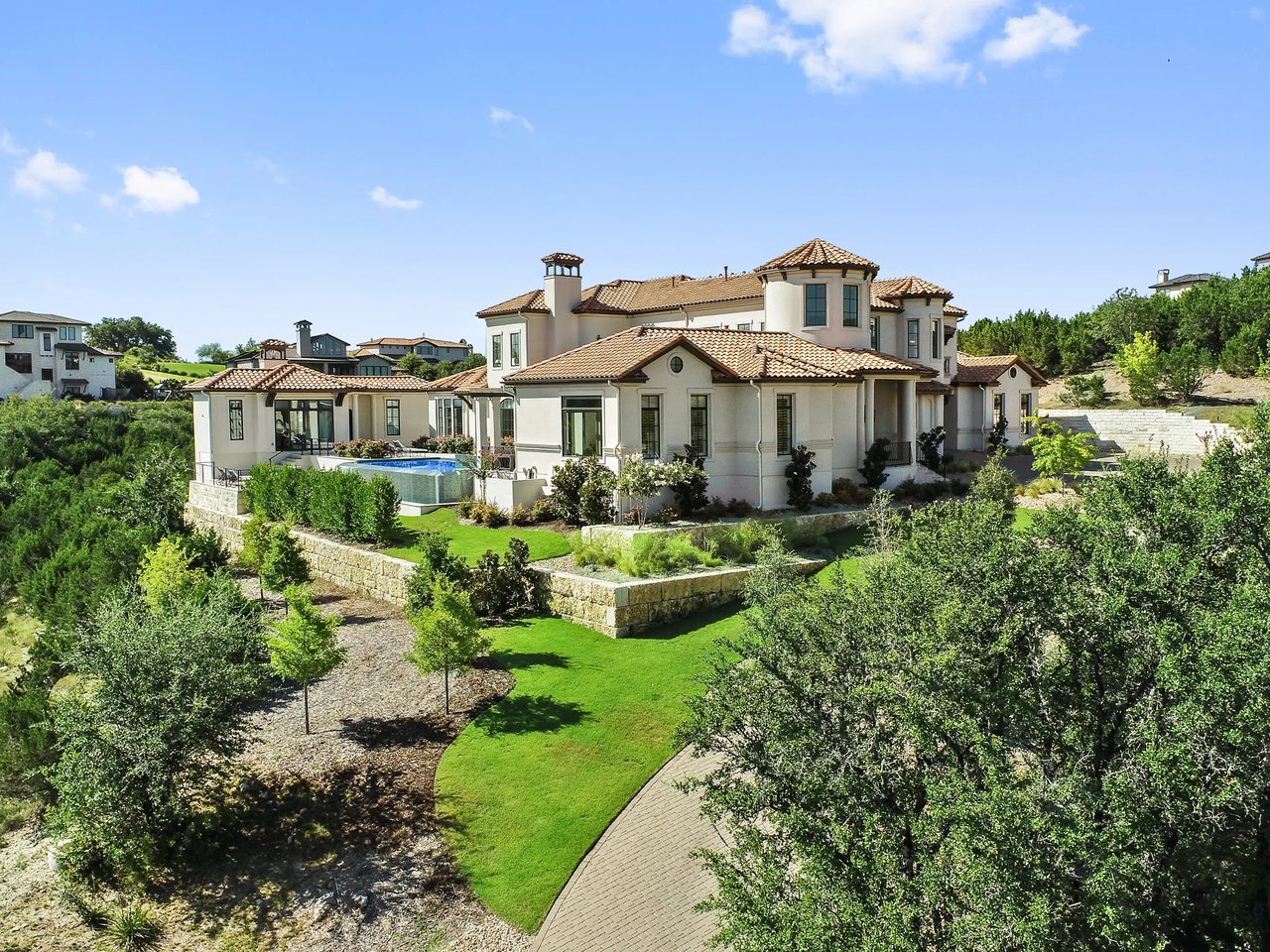
I will not guess at a number, but the latest $1M+ data shows a steady market with more inventory and real room to negotiate. Here is what it means for buyers and selle… Read more

September and October 2026 MLS data: where Austin luxury buyers have leverage by price tier and neighborhood, and how much is selling off market.
Get in Touch

KELSEY EASTON
2500 BEE CAVES RD WEST LAKE HILLS TX 78746