

Kelsey Easton November 18, 2026
An off-market home in Austin is not automatically a better deal. It is a different path to the same house: you get earlier access and less competition, but you also give up the public price history that tells you what the market thinks. At the $1M+ level, the buyers who win with private listings are the ones who know how to test the price themselves.
I get asked about this almost every week, usually in the form of "Can you find me something before it hits Zillow?" I can, and I will. But I want you to walk in with realistic expectations, so here is how I think about it as a lifelong Austinite who works with luxury buyers every day.
"Off-market" is a catch-all. It covers three different situations, and they behave differently. The first is a true private sale, where a seller never lists the home publicly at all and a deal happens between agents or neighbors. These are rare. The second is a brokerage pre-marketing program. At Compass, this is called Private Exclusives: the home is shared inside the brokerage network first, then moves to a "Coming Soon" phase on Compass.com and Redfin.com, then goes to the public websites. Compass says on its buyer page that the program reaches its network of roughly 340,000 agents. The third is a quiet "coming soon" or whisper listing that circulates among agents before the MLS entry.
In every version, the home is usually headed to the open market eventually. Compass has said that 94% of its private exclusives end up selling on the MLS, per reporting by Boston.com in January 2026. So for most buyers, off-market is an early window, not a permanent side door.
Not by default, and I would be skeptical of anyone who promises that. A seller who chooses a private launch is often trying to raise the price by creating urgency, or at least avoid a public price cut. Compass's own data, which it describes as internal and not a prediction, says pre-marketed homes closed at a 4.6% higher price, sold 34% faster to contract, and were 29% less likely to see a price drop. That is a seller-side claim, and as a buyer you should read it that way.
The other side of the argument comes from Zillow. In the same Boston.com story, Zillow reported that off-market sales in Greater Boston closed about 3.8% below open-market listings, though that is Zillow's own data for another city and is not independently verified. I do not think either number tells you what will happen with a specific Austin house. What it tells me is that off-market pricing swings both ways, and the only way to know if you are getting a fair deal is to do your own homework.
Context helps here. Using Unlock MLS closed sales, Neuhaus Realty Group reported that Travis County homes sold for 93.2% of their original list price in August 2026. Homes that sold within 14 days averaged 99.2% of original list, while homes that sat 61 days or more averaged 88.6%. In a market where overpriced listings routinely end up negotiated down, a private home priced at a seller's optimistic number is not a bargain just because you saw it first.
Three real things. First, time. You can tour without a crowd, ask questions, and bring your inspector or builder for a look before a bidding situation forms. Second, fewer competing offers. At the upper end, a quiet preview can mean you are one of two or three buyers instead of ten. Third, negotiating flexibility. Sellers who want privacy often care about timing, a rent-back, or a clean close, and you can sometimes trade on those terms instead of price alone.
This is most useful in the neighborhoods where inventory is thin and homes are distinctive, like West Lake Hills and Tarrytown. A one-of-a-kind house on a quiet street does not trade like a tract home, and early access can be the difference between choosing and competing.
You give up the data. A public listing shows days on market, price changes, and how buyers responded. A private listing has none of that. You are guessing at whether the price is a test balloon or a firm number, and no one has pushed back on it yet.
You also give up some leverage. Part of my approach to negotiating in the 2026 luxury market is using days on market and reductions to anchor an offer. When a home has none, I have to build the case another way: recent comparable sales, the condition of the home, and what similar homes in that price band are actually closing for. If you want a sense of what each tier buys, my breakdown of what $1 million buys in Austin is a good starting point.
Finally, there is the question of access itself. Private Exclusives are shared within a brokerage network, so you generally need to work with an agent at that brokerage to see them. Zillow has pushed back on this model, saying publicly marketed listings should be entered in the MLS within one business day, and Compass sued Zillow over that policy in 2025. The industry is still sorting it out, which is one more reason to work with an agent who watches private inventory across brokerages, not just their own.
Here is the checklist I run through with my buyers:
Off-market is a tool, not a discount. Use it to see homes before the crowd, reduce competition, and negotiate on terms, but still make the seller prove the price. If a private home is fairly priced, buy it with confidence. If it is priced like a wish, wait for the market to tell the seller the same thing. If you would like me to keep an eye out for private homes that fit your budget and neighborhood list, tell me what you are looking for and I will send you what I find.
Compass Private Exclusives are shared within the Compass network, so you generally need a Compass agent to see them. Other brokerages have their own pre-marketing programs, and a good agent will check across them.
Not necessarily. Sellers who go private are often aiming for a strong price, and there is no public price history to anchor a lower offer. Your best leverage is recent comparable sales.
Texas is a non-disclosure state, so sale prices are not recorded in public deed records the way they are in many other states. That does not mean a sale is invisible, since appraisers and appraisal districts gather sales data from other sources. For questions about how a purchase could affect your property taxes, talk to a property tax professional.
Sometimes. If you are not in a hurry and the home is a good fit, a public listing gives you days on market and price history to work with. If the home is rare and well priced, a private preview can be worth acting on.
Kelsey Easton, Compass Austin
(512) 699-6091
[email protected]
Connect with me on Zillow
Buying, selling, or just exploring? Let's connect.

Eanes ISD and a short drive downtown, or gates, golf, and more house for the money. Here is how I help $1M+ buyers decide between two of Austin's top west side address… Read more
Early access is not the same as a discount. Here is how I help $1M+ buyers decide whether a private Austin listing is worth pursuing.

Texas now requires a written agreement before you tour, and the fee is negotiable. Here is what a buyer's agent really protects at $1M+.

Tree lightings, Trail of Lights, holiday shows, markets, ice rinks and pop-up bars, with every 2026 date in one place.

Buying
Don't just look at the elementary school. Here are the seven Austin areas I'd target for a strong K-12 pathway, with typical price points for each.

What I'm seeing from five recent Easton Park deals: builder incentives, resale pricing, and where the market goes into year end.

Dallas gets you more house; Austin gets you the Hill Country, the lake, and a market where patient $1M+ buyers have leverage. Here's how to choose.
Buying
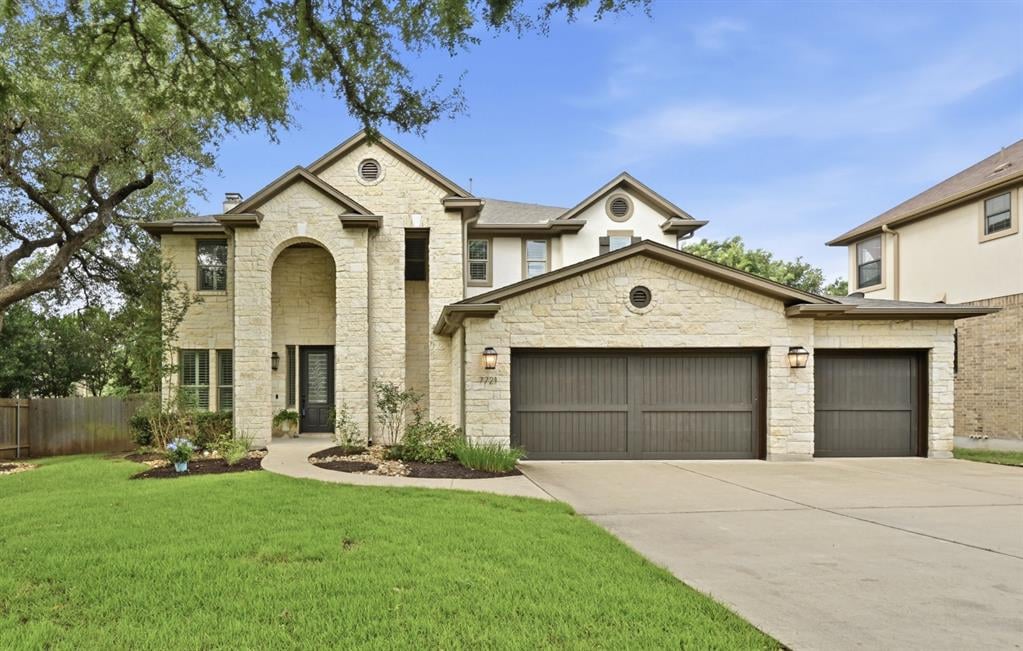
Real listings, real photos and real numbers from Downtown to Dripping Springs: the best-looking finished homes around $1 million in each part of Austin right now.
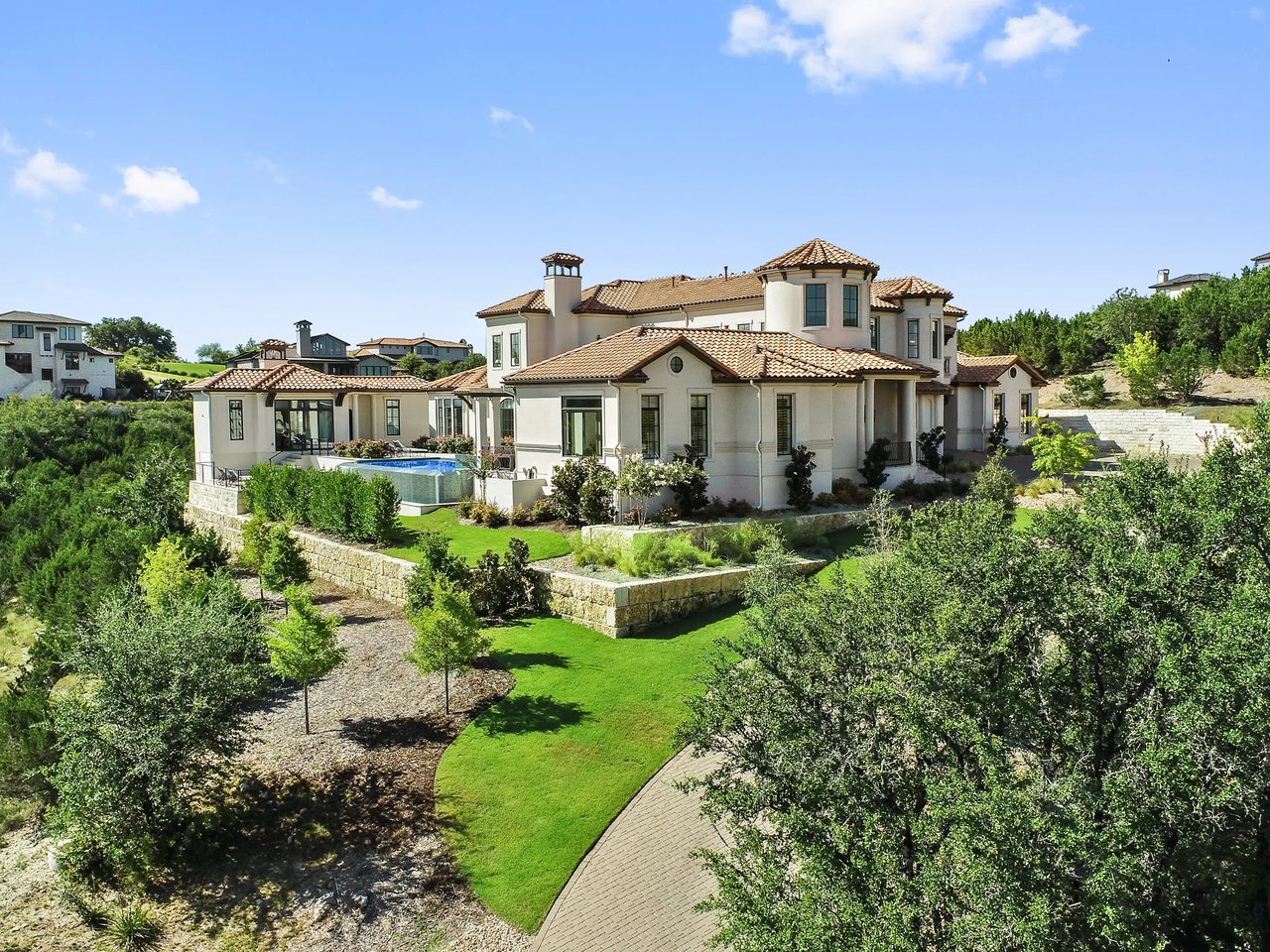
I will not guess at a number, but the latest $1M+ data shows a steady market with more inventory and real room to negotiate. Here is what it means for buyers and selle… Read more
Get in Touch
KELSEY EASTON
2500 BEE CAVES RD WEST LAKE HILLS TX 78746