

Kelsey Easton June 3, 2026
By Kelsey Easton, REALTOR® · Compass · Austin, TX
For years, Washington State was the ultimate tax haven for high earners in tech. No state income tax. No capital gains tax. You could vest RSUs at Microsoft, Amazon, Google, Facebook and others, and keep every dollar the feds didn't take.
That era is ending, and if you're a tech professional in Seattle considering a move to Austin, Texas, the math has never been more compelling.
In March 2026, Governor Bob Ferguson signed SB 6346 into law. Washington's new “Millionaires' Tax”, imposing a 9.9% tax on household income exceeding $1 million annually. It takes effect January 1, 2028, with first payments due in April 2029. And it's landing on top of a capital gains tax that already hits 7% on gains above roughly $262,000 and 9.9% on gains above $1 million.
If you're a tech founder, senior engineer, or executive in Seattle pulling seven figures between salary, bonuses, and equity, or planning a liquidity event in the next few years, the financial landscape has shifted dramatically. The Tax Foundation estimates that when you layer the Millionaires' Tax with federal income taxes, Seattle's JumpStart payroll tax, and the capital gains tax, top marginal rates on wage income and RSU vesting in Seattle could exceed 50%.
It's no surprise that a spring 2026 survey by the Association of Washington Business found that nearly 1 in 4 employers are actively considering relocating out of state, and 55% of business leaders are considering moving their personal residences elsewhere. In 2023 alone, 16,284 people moved from Washington to Texas versus just 8,471 in the other direction. a net gain of nearly 8,000 for Texas.
So where are they going? Increasingly, the answer is Austin.
Texas has no state income tax, no capital gains tax, and no estate tax. That was true before Washington's new rules, and it's the reason Austin has been quietly absorbing Seattle's tech talent for the past five years. roughly 1,100 people make the Seattle-to-Austin move every year.
But the tax advantage is only part of the story. Austin has built the kind of tech infrastructure that makes it a legitimate career move, not just a tax play.
Austin. often called “Silicon Hills”, is home to an extraordinary concentration of tech employers. Here are the major players and their approximate Austin-area headcounts:
The Austin metro added 28,500 jobs in 2024 at a 2.1% growth rate, with unemployment sitting at 3.5%. well below the national average. This isn't a company town. It's a diversified tech economy with depth in semiconductors, AI, enterprise software, and clean energy, the exact sectors driving wealth creation right now.
Let's make it concrete. If you're a Seattle-based tech executive earning $1.5 million annually (salary plus equity), here's what changes under the new rules:
On $500,000 of annual equity compensation alone, the Washington capital gains tax could cost $35,000 to $49,500 that simply doesn't exist in Texas. Over five years, that's $175,000 to $250,000 in state taxes saved. before you even factor in the Millionaires' Tax on your base salary and bonuses.
The savings extend beyond taxes. The median home price in the Seattle metro is roughly $785,000 compared to $435,000 to $520,000 in Austin. a reduction of roughly 35 to 45%. A family selling an 1,800-square-foot home in Bellevue for $900,000 can buy a 3,000-square-foot home in Bee Cave or Westlake for $650,000 and pocket $200,000+. Overall cost of living in Austin runs about 8% lower than Seattle, with cheaper groceries, gas, and dining.
One of the biggest hesitations I hear from Seattle buyers relocating to Austin is: “I love my neighborhood. Can I find something like it here?” The answer is almost always yes. often with more space, better weather, and a lower price per square foot.
Medina is the Gold Coast: lakefront estates, billionaire neighbors (Bill Gates, Jeff Bezos), extreme privacy, and a median home price above $2 million. Westlake Hills is Austin's answer: gated estates on rolling hills with panoramic Hill Country views, top-rated Eanes ISD schools, and a median home price around $2.4 million (up 9.1% year-over-year in 2026). You're getting larger lots. often half-acre to full-acre. and the same level of exclusivity, with 300 days of sunshine instead of Seattle gray.
Bellevue is where tech families want great schools, a walkable downtown, and a polished suburban feel with easy access to the city. Tarrytown delivers exactly that. tree-lined streets, Casis Elementary feeding into Austin High, walking distance to Lake Austin, and a median price around $1.6 million. It's the neighborhood where you bike to the lake Saturday morning and make it downtown for dinner in 10 minutes.
Mercer Island is the gated, nature-surrounded enclave where you escape the city without actually leaving it. Barton Creek is the same concept. a gated resort community with a championship golf course, Hill Country trails, and homes averaging $2.2 million. You're 15 minutes from downtown but it feels like you're in the country.
Queen Anne has the walkability, the views, the neighborhood restaurants, and the urban energy. Travis Heights and the South Congress corridor are Austin's version. historic bungalows and modern builds steps from the best food and nightlife in the city, with views of downtown from the hillside. Median prices run $1.1 to $1.6 million.
Kirkland's waterfront has that small-town-in-a-big-city energy with a growing tech presence. Mueller is Austin's master-planned answer. walkable streets, its own restaurants and grocery stores, new construction homes in the $1 to $1.5 million range, and a 10-minute drive to the Domain (Austin's second downtown and a major tech employment hub).
These tiny, ultra-wealthy enclaves on Seattle's Eastside have their match in Rollingwood. a small incorporated city of about 1,500 people tucked between Zilker Park and Barton Creek, with home values regularly exceeding $2 million and some of the highest household incomes in the Austin metro.
If you're planning a move from Seattle to Austin, understanding how to properly establish Texas residency is essential for maximizing your tax savings. Here's a step-by-step overview of what the process looks like.
Texas residency begins with physical presence and intent. Purchase or lease a home in Texas. This becomes your legal domicile. If you're buying in Austin, neighborhoods like Westlake Hills, Tarrytown, or Barton Creek are popular choices for Seattle transplants in the luxury market.
Texas requires new residents to obtain a Texas driver's license within 90 days of establishing residency. You'll also need to register your vehicles in Texas within 30 days. Visit your local Texas Department of Motor Vehicles office with proof of your new Texas address, your current license, and proof of insurance from a Texas-registered policy.
Registering to vote at your new Texas address is one of the strongest signals of domicile intent. You can register online through the Texas Secretary of State's website or in person at your county voter registrar's office.
Change your address on all bank accounts, brokerage accounts, credit cards, and insurance policies. Update your estate planning documents (wills, trusts, powers of attorney) to reflect Texas as your domicile state. This is particularly important if you have significant equity compensation or are planning a liquidity event, since Texas has no capital gains tax.
In the year you move, you may need to file a part-year return in Washington (for capital gains earned while domiciled there) and begin your Texas tax status as of your move date. Since Texas has no state income tax return, there is nothing to file on the Texas side. Keep documentation of your move date, including your lease or closing documents, moving company receipts, and utility activation dates.
To avoid any dispute over your domicile, take steps to clearly sever Washington residency. Surrender your Washington driver's license, cancel your Washington voter registration, and if you retain property in Washington, do not claim it as a primary residence. The more clearly you establish Texas as your primary home, the stronger your position if Washington ever questions your residency status, especially with the new Millionaires' Tax creating audit incentives. They will check to see if you are still actively using credit cards in Washington, still retain a country club membership, etc.
Texas has no waiting period for general residency. You become a Texas resident the day you move with intent to stay. However, for in-state college tuition purposes, a 12-month domicile requirement applies. For tax purposes, consult a CPA or tax attorney who specializes in multi-state taxation to ensure your transition is properly documented, especially if you have unvested RSUs, stock options, or other deferred compensation that may be subject to Washington's capital gains tax based on when it was earned.
Yes. Overall cost of living in Austin is approximately 8% lower than Seattle. Housing is the biggest difference. median home prices in Austin are 35 to 45% lower than the Seattle metro. However, Austin's property tax rate (approximately 1.6% in Travis County) is higher than King County's (approximately 0.9%), though on a much cheaper home your actual tax bill is typically still lower.
No. Texas has no state income tax and no state capital gains tax. This is one of the primary financial motivations for tech professionals relocating from Seattle, especially after Washington's new 9.9% Millionaires' Tax (effective 2028) and existing 7 to 9.9% capital gains tax.
Signed into law on March 30, 2026 (SB 6346), the Millionaires' Tax imposes a 9.9% tax on household income exceeding $1 million. It takes effect January 1, 2028. It excludes the sale of real property, qualified family-owned small businesses, and certain retirement income.
Many tech professionals do exactly this. Post-2020 remote work policies at companies like Microsoft, Amazon, Google, and Meta allow employees to work remotely from Austin while keeping Seattle-level compensation. However, check your company's remote-work policy. some have adjusted compensation bands by metro area.
The most popular neighborhoods for Seattle transplants include Westlake Hills and Barton Creek (for luxury buyers), Tarrytown (for families wanting walkability and top schools), Mueller (for new-construction walkable living), and Travis Heights (for urban energy near South Congress). Your ideal neighborhood depends on whether you prioritize schools, commute to a specific campus, outdoor access, or nightlife proximity.
Texas does not have a waiting period for general residency. you become a resident when you move with intent to stay. However, for purposes like in-state college tuition, there is a 12-month domicile requirement. For tax purposes, your Washington tax obligations end when you establish domicile in Texas, but consult a tax professional to ensure proper documentation, especially with the Millionaires' Tax transition period.
Washington's Millionaires' Tax doesn't take effect until January 2028, which means you have roughly 18 months to evaluate your options. That might sound like plenty of time, but if you're planning a move that involves selling a home in Seattle, buying in Austin, and potentially restructuring equity compensation. the planning starts now.
I work with Seattle-to-Austin relocators regularly, and the most common regret I hear is: “I wish I'd started looking six months earlier.” Austin's luxury inventory in neighborhoods like Westlake Hills and Barton Creek moves quickly, and the best properties don't sit.
If you're a tech professional weighing this move, I'd love to walk you through the Austin neighborhoods that match your lifestyle and show you what your budget buys here versus what you're leaving behind. No pressure. just an honest conversation about whether Austin is the right fit.
Schedule a free relocation consultation →
Kelsey Easton | REALTOR® | Compass Austin
Certified Luxury Home Marketing Specialist
About the Author
Kelsey Easton is a REALTOR® with Compass in Austin, Texas, and a Certified Luxury Home Marketing Specialist with more than $250M in sales. A native Austinite, she helps buyers and sellers across Austin and the surrounding Hill Country navigate the market with concierge-level care.
Contact Kelsey Easton, REALTOR® | Compass, Austin, TX
Phone or text: (512) 699-6091
Email: [email protected]
Website: kelseyeaston.com
Buying, selling, or just exploring? Let's connect.


On being named a Rising Star by Austin Real Producers, and the part of the story the article didn't have room for

Neighborhoods, prices, dock rules, and what October's 10-foot drawdown means for buyers and owners

In a competitive $1M+ Austin listing, cash isn't automatically king — here's what actually sways sellers.
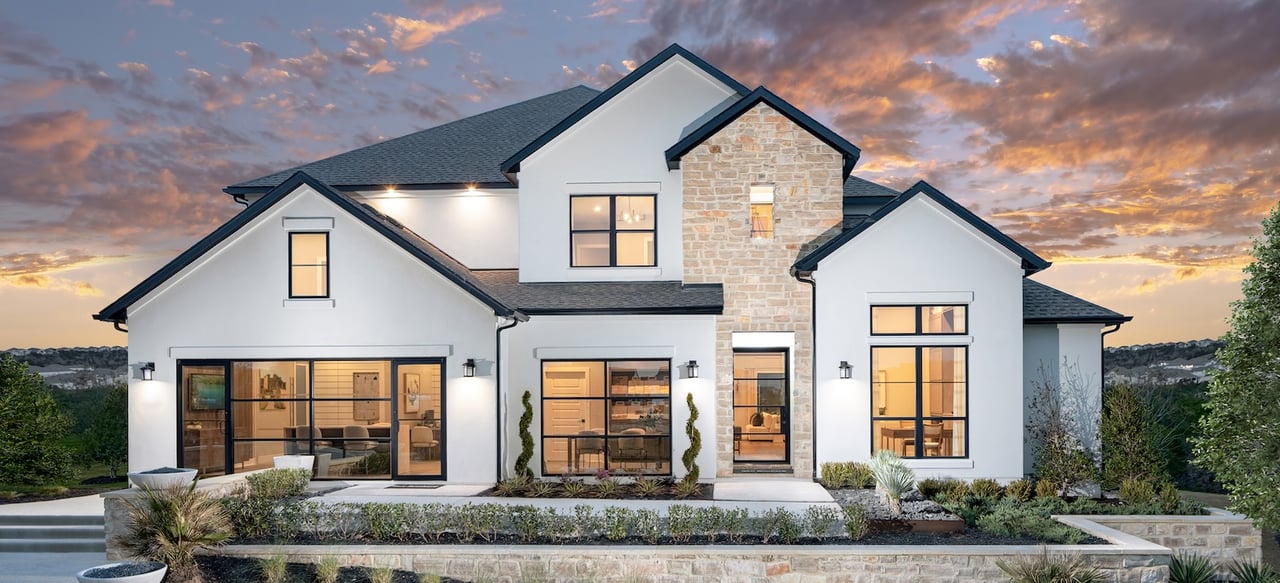
Beyond the finishes — the foundation, utility district, and warranty details that actually determine whether your new $1.5M+ home holds up.

A general inspection isn't enough at this price point- here's what I have every $1M+ buyer check before closing.
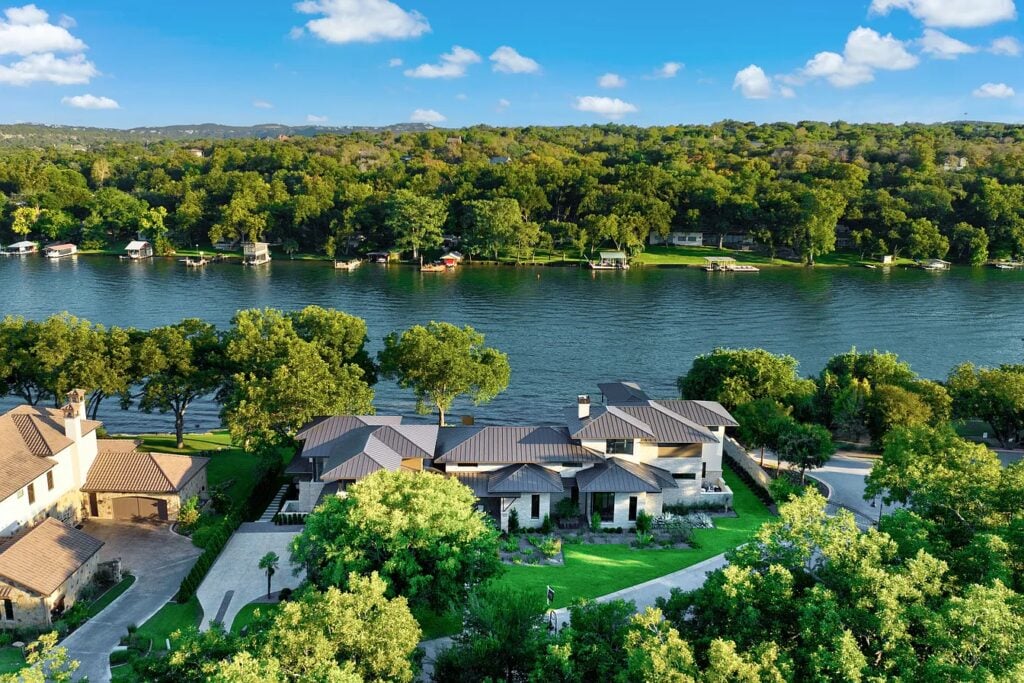
A straight-talking breakdown of square footage, neighborhoods, and lot size at each price point in today's Austin luxury market.
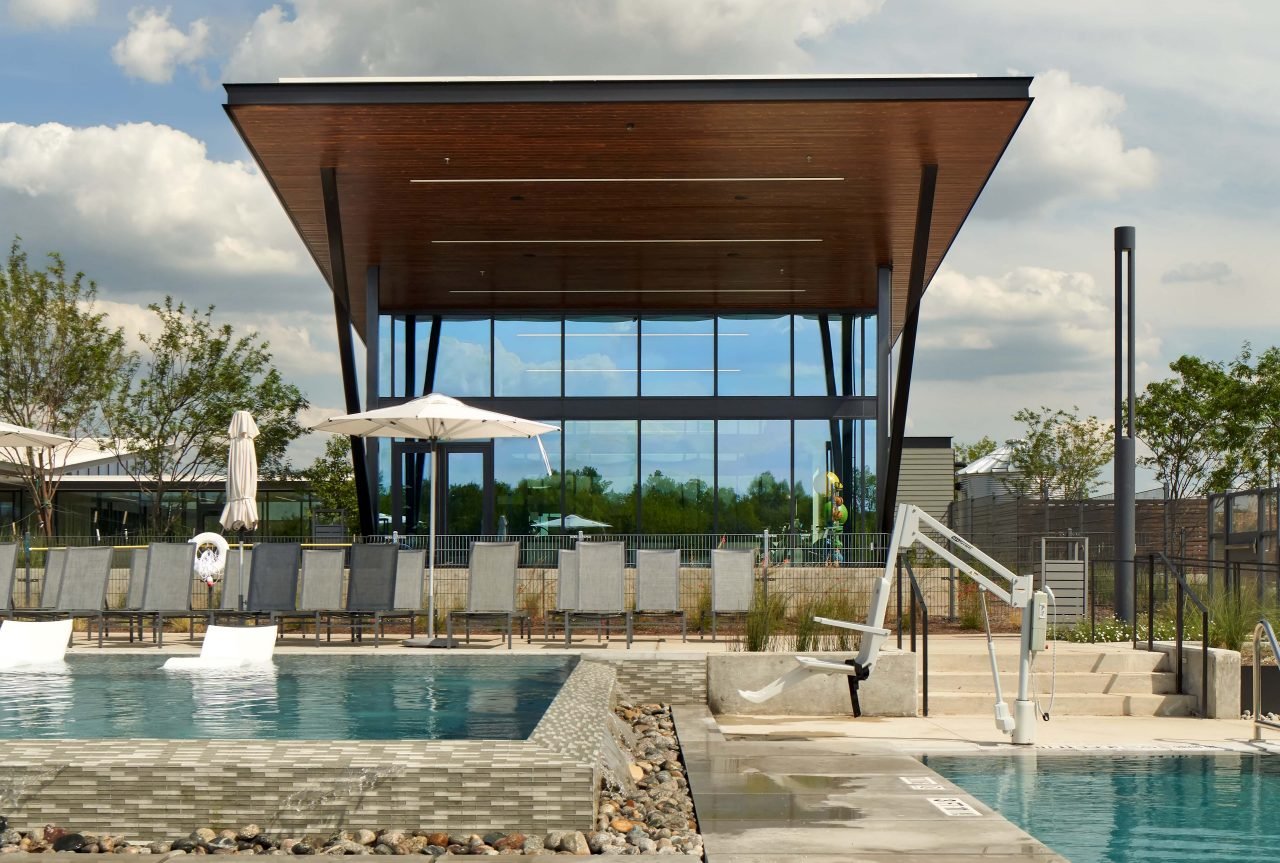
Easton Park comes up constantly with my clients' adult kids, downsizing parents, and investors. Here's an honest read on where it delivers and where it doesn't.
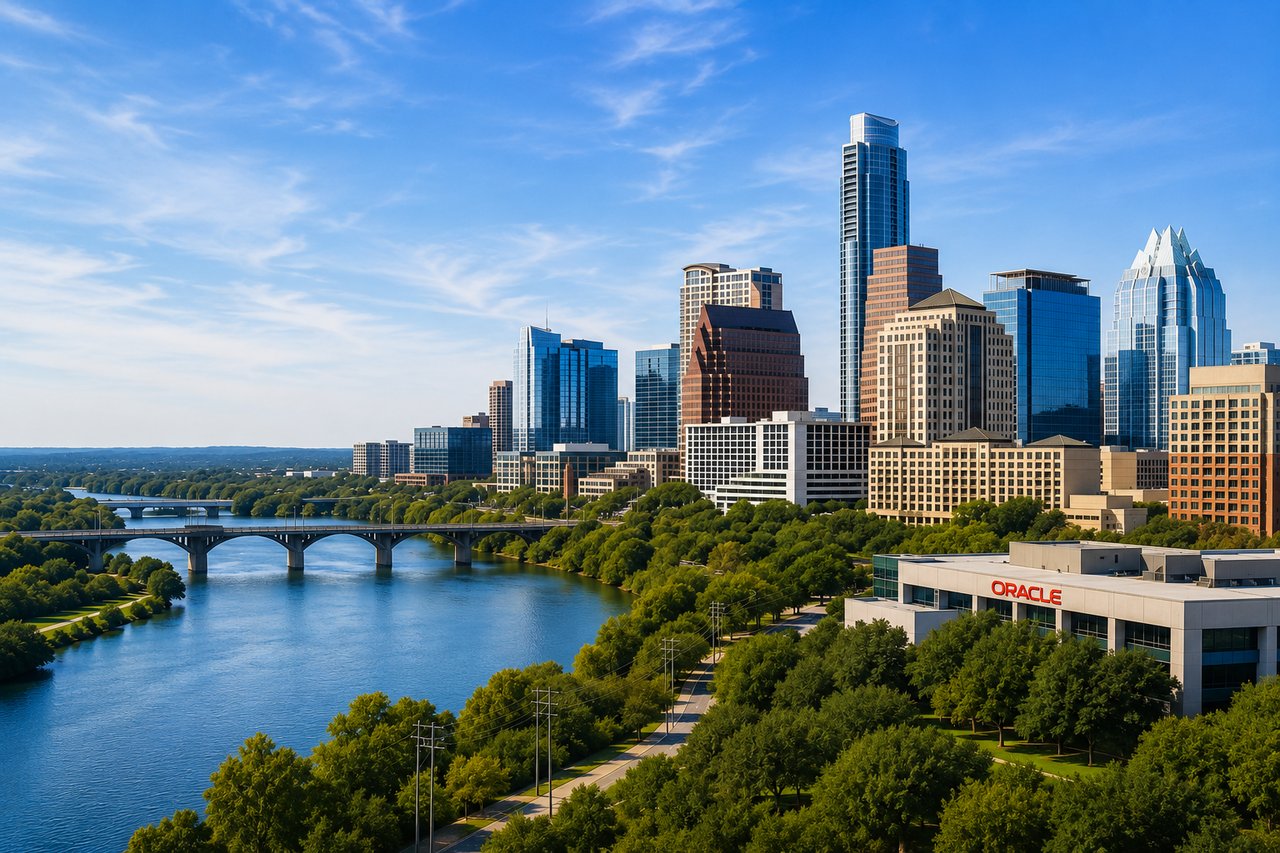
An Austin agent's guide for Oracle employees on where to live near the riverside campus, with the best central neighborhoods, honest school zone breakdowns, and what t… Read more

An Austin agent's guide for Tesla Gigafactory employees on where to live near the Del Valle campus, with the best neighborhoods within 15 and 30 minutes, honest school… Read more
Get in Touch

KELSEY EASTON
2500 BEE CAVES RD WEST LAKE HILLS TX 78746