
Kelsey Easton August 18, 2026
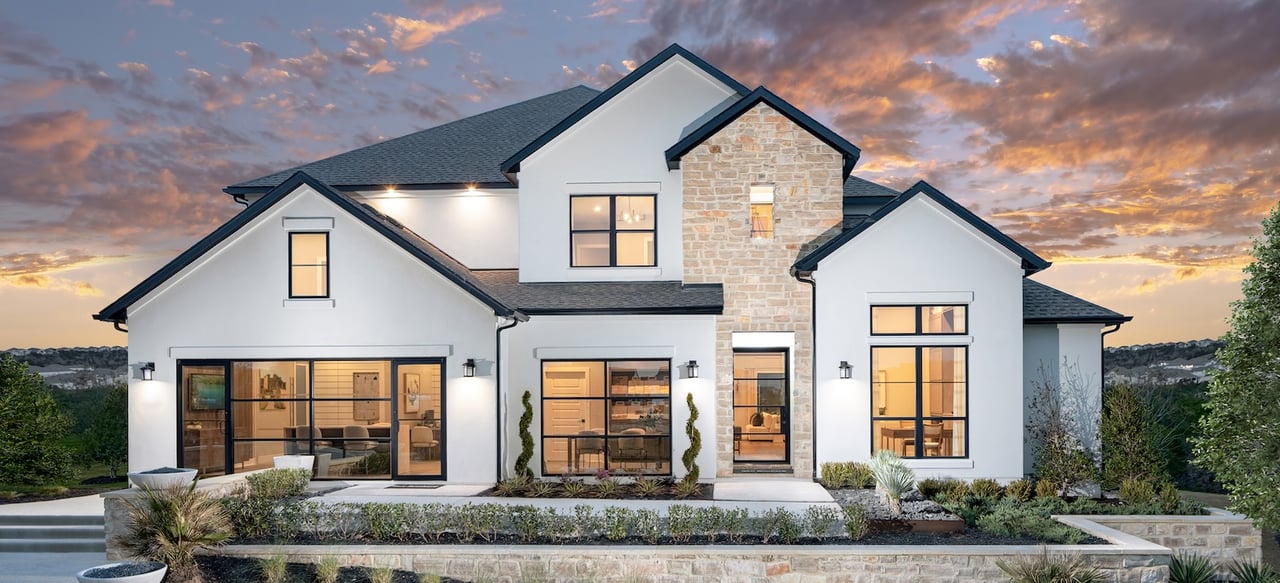
The finishes are the easy part- quartz vs. marble, white oak vs. walnut, that's the fun 10% of buying new construction. The part that protects your investment is the foundation type, the utility district you're in, and the builder's actual warranty terms, and almost nobody asks about those three things before they're already under contract. I've walked enough $1.5M-$4M new builds with clients to know exactly where the risk hides, and it's rarely in the kitchen.
Austin's new construction market at the $1M+ level spans a wide range right now, custom infill homes on torn-down lots in Rollingwood and Allandale, spec homes in Spanish Oaks and Rocky Creek, and full custom builds out in Driftwood and West Austin acreage. Wherever you're looking, the due diligence is the same.
Austin sits on expansive clay soil that swells and contracts with moisture, which is why post-tension slab foundations are the standard for good reason- they're engineered to resist that movement better than a standard rebar slab. Ask the builder directly what foundation type they used, ask for the geotechnical (soils) report for the specific lot, and ask whether the foundation was engineered for that lot's specific soil conditions or built to a generic spec. On the west side- Westlake, Barton Creek, Spanish Oaks — you'll also see more rock and less clay, which changes the engineering picture again. If a builder can't produce the soils report without hesitation, that's a red flag worth pausing on.
This is the question that trips up more relocating buyers than almost anything else. A Municipal Utility District, or MUD, is a separate taxing entity that finances the water, sewer, and drainage infrastructure for a new development -and that debt gets paid off through an additional tax rate on top of your regular property taxes, sometimes adding $3,000-$8,000+ a year on a $1.5M home depending on the district's bond load. Many of the newer luxury communities in Southwest Austin, Dripping Springs, and parts of the Hill Country corridor are inside a MUD. It's not automatically a dealbreaker, but you need the exact MUD tax rate and bond schedule before you fall in love with a floor plan, because it changes your real carrying cost meaningfully.
Most reputable Austin builders offer a tiered warranty- typically one year on workmanship and materials, two years on major mechanical systems (plumbing, electrical, HVAC), and a longer structural warranty, often 10 years, on the foundation and framing. Get the exact warranty document before closing, not a verbal summary, and ask how the builder has handled warranty claims on past projects. I always encourage clients to talk to at least one homeowner in a builder's completed community — most builders will connect you with one, and a builder who resists this is telling you something. Also confirm whether the warranty is backed by the builder directly or a third-party warranty company, since builder-backed warranties are only as good as the builder still being in business.
If you're buying pre-construction or semi-custom, change orders are where budgets quietly blow up. Get a detailed line-item spec sheet, not a general allowance list, and understand exactly what's included at the base price versus what triggers an upgrade charge. I've seen buyers assume a $50,000 "kitchen allowance" would cover their vision, only to discover it covered builder-grade cabinets and appliances a tier below what they walked the model home expecting. Negotiate a cap on change-order markup percentages before you sign, and get a written timeline for how overages get billed and when they're due.
Homes still under construction carry real timeline risk- material delays, permitting holdups, and weather can push a "ready in four months" estimate to seven or eight. If you're selling a current home or renting on a lease that ends on a specific date, build in a buffer, and ask the builder for their actual track record on recent closings versus original estimates, not just their best-case number. Spec homes that are already framed or near-complete remove most of this risk, which is one reason move-in-ready new construction often commands a premium over pre-construction pricing in this market.
Is new construction a better value than resale in Austin right now?
It depends on the lot and neighborhood. New construction gives you modern systems, efficiency, and a warranty, but you're often paying a premium per square foot compared to an equivalent resale home, and you have less room to negotiate on a hot spec home. Older homes in established neighborhoods sometimes offer more land and location for the price.
Do luxury new builds in Austin typically have HOAs?
Most master-planned new construction communities do, and dues can range widely depending on amenities- expect anywhere from a few hundred dollars a year to several thousand in amenity-heavy communities with pools, trails, or gated entrances.
Should I get an independent inspection on a brand-new home?
Yes, always — a third-party inspection before closing catches issues the builder's own inspector may miss, and it's inexpensive insurance relative to the price of the home.
Can I negotiate on a new construction price?
Sometimes, especially on spec homes that have been sitting, or near a builder's fiscal year-end. Pre-construction and highly custom builds have less room to move, but upgrades, lot premiums, and closing cost credits are often more negotiable than the base price itself.
New construction can be a great move at the $1M+ level in Austin, but the real due diligence happens in the soils report, the utility district paperwork, and the warranty fine print - not the tile selections. If you're evaluating a specific new build or builder right now, I'm happy to walk through it with you.
Buying, selling, or just exploring? Let's connect.


September and October 2026 MLS data: where Austin luxury buyers have leverage by price tier and neighborhood, and how much is selling off market.
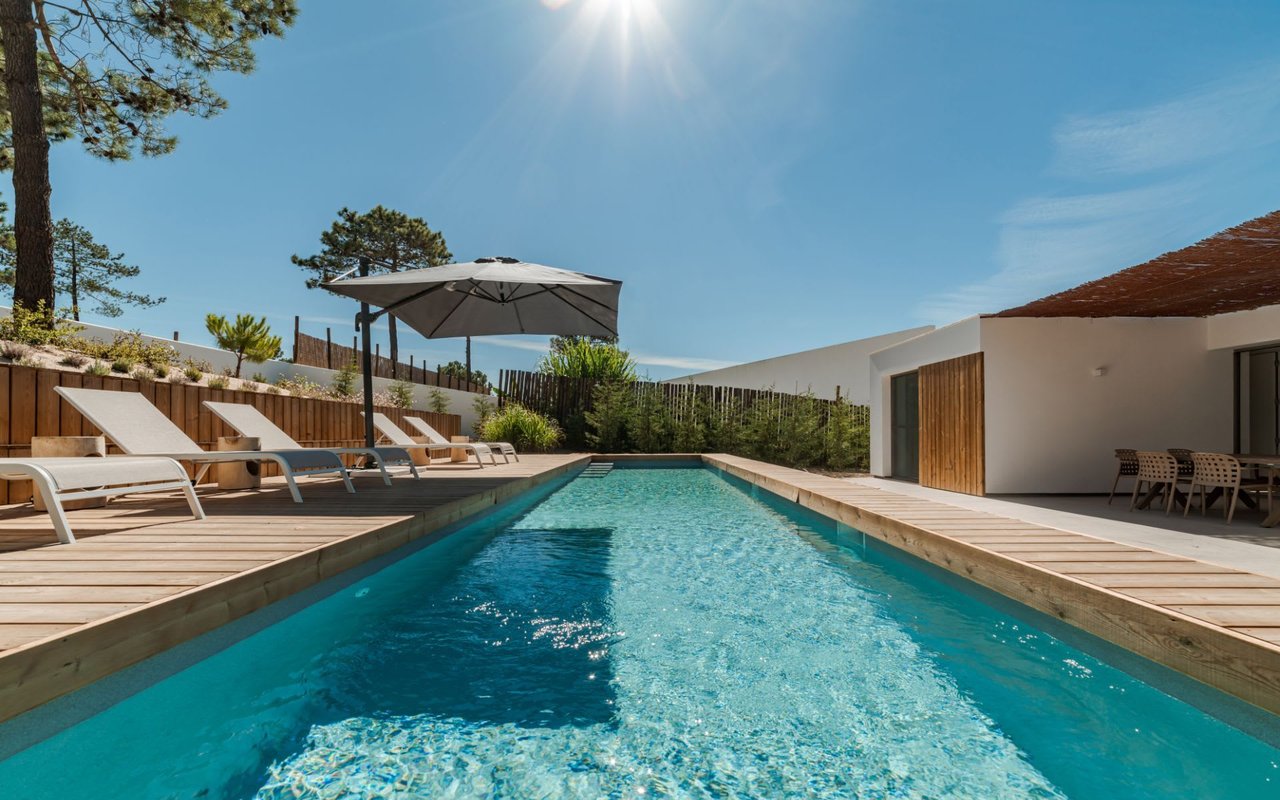
A line-by-line look at what a financed $1.5M Austin purchase really costs at the closing table, and who typically pays for what.
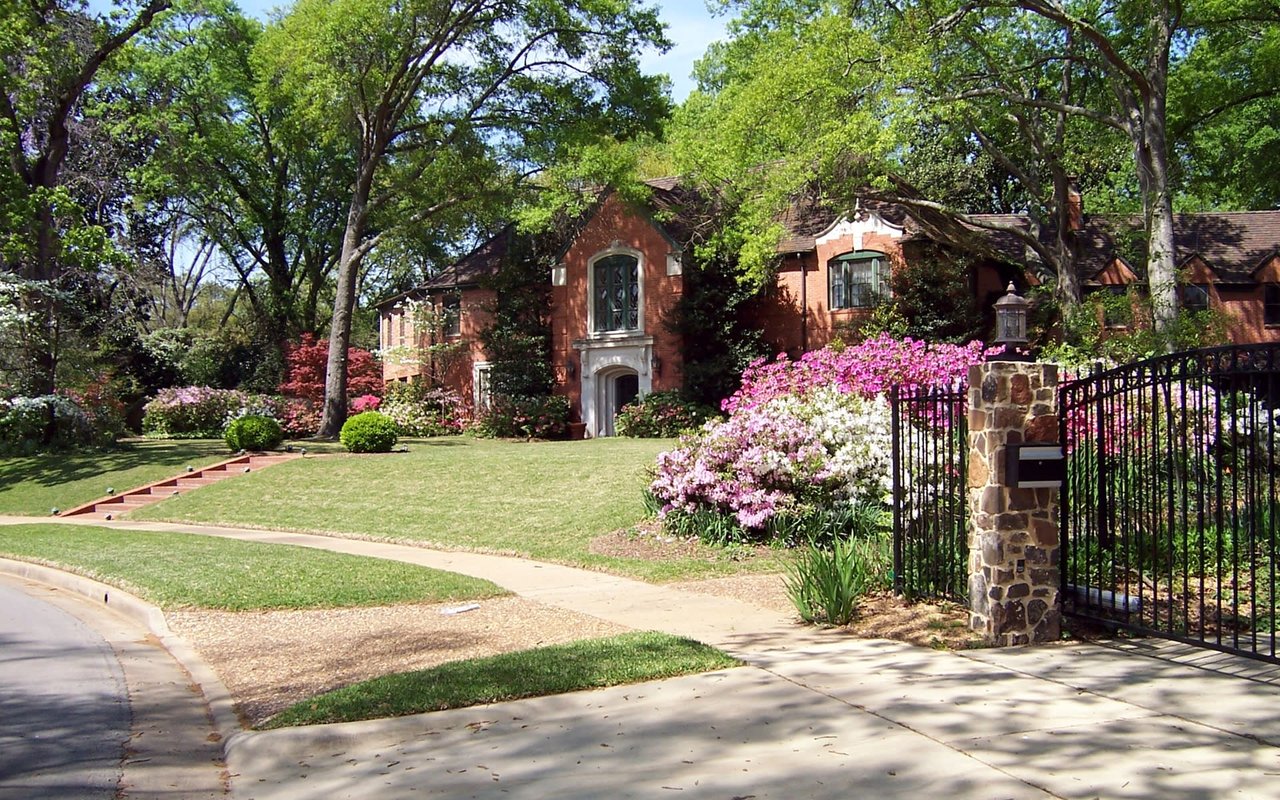
Most $1M+ Austin closings take 30 to 45 days, and cash deals can close in two weeks. Here's what controls the clock and how to keep your deal on schedule.

Rates are near 7% and sellers are cutting prices. Here is what the latest numbers mean for your leverage.
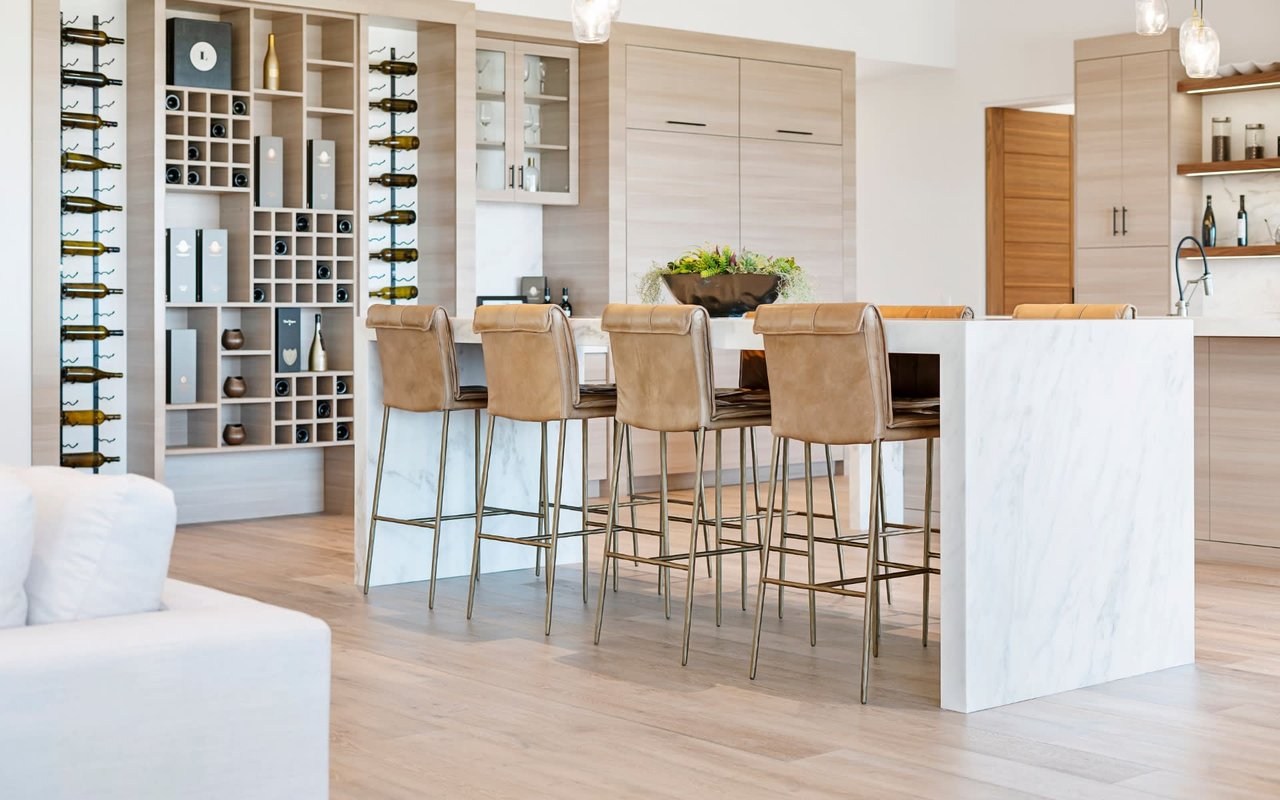
Before you list, spend money to remove buyer objections, not to add features. Here's where pre-sale dollars actually pay off on an Austin luxury home, and where they d… Read more

California buyers bring California pricing instincts to Austin- here's how to avoid paying a premium you don't need to pay.

Most luxury sellers in Austin lose money in the first 14 days on market, not at the closing table. Here's how to price, prep, and negotiate so you don't.

The calendar matters more at $1M+ than at any other price point in Austin. Here's when luxury homes actually sell fastest and for the most — and when to hold.

Here's what staging really does for a $1M+ listing, what it costs, and the handful of moves that change the number on the contract.
Get in Touch
KELSEY EASTON
2500 BEE CAVES RD WEST LAKE HILLS TX 78746