
Kelsey Easton July 14, 2026
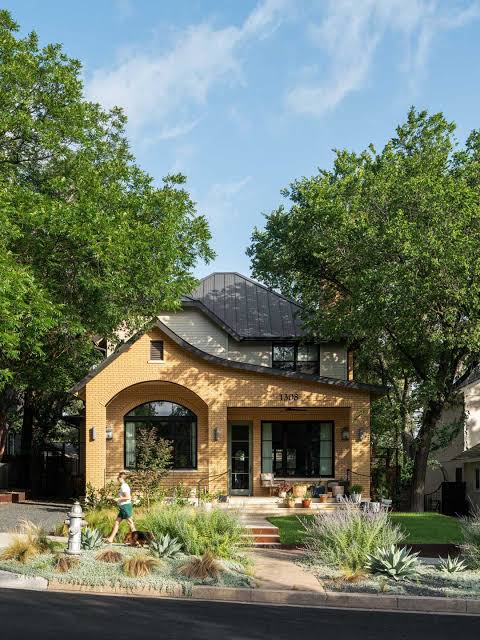
At the $1.5M+ tier, Travis Heights buys you roughly 2,200 to 3,200 square feet of renovated or rebuilt house on a hilly lot five minutes from downtown- but what you’re really buying is location and land, not square footage. Compared to Westlake or Barton Creek, you get meaningfully less house for the same dollar. What you get instead is a walk to South Congress, a five-minute drive to the Capitol, and one of the last genuinely tree-canopied, human-scaled neighborhoods in central Austin. Whether that trade is worth it depends almost entirely on how you actually want to live.
I’ve been selling Austin luxury for a long time, and Travis Heights is the neighborhood where I have the most conversations that start with excitement and end with a permitting reality check. So let’s do the reality check first.
Let’s talk numbers instead of adjectives.
$1.3M–$1.6M. An original or lightly updated 1930s–1950s home, usually a Craftsman bungalow, Tudor, or Colonial Revival — somewhere in the 1,600 to 2,200 square foot range on a 6,000 to 9,000 square foot lot. Charming, solid bones, and almost always in need of something: foundation attention, an electrical panel, a kitchen, or all three. At this level you are frequently buying a project.
$1.6M–$2.2M. This is the sweet spot of the neighborhood. A thoughtfully renovated home, 2,200 to 3,000 square feet, often with a rear addition, a pool if the lot allowed it, and a garage or studio out back. These are the homes that photograph well and sell fast, and they are the ones I see multiple offers on.
$2.5M+. Architect-designed new construction or a fully restored large historic home, frequently with real downtown skyline views from an upper floor or roof deck. On the best streets, Travis Heights Boulevard, Alta Vista, Newning, Riverview, this is where the neighborhood’s ceiling lives.
For context: that same $2M in Westlake Hills buys you noticeably more square footage, a bigger lot, and Eanes ISD. Travis Heights buyers know that and buy anyway. That tells you what they’re optimizing for.
Three reasons, and they all come back to geography.
First, the topography. Travis Heights is genuinely heights, it sits on a bluff above Lady Bird Lake, with steep grades, retaining walls, and lots that fall away hard from the street. That’s where the views come from. It’s also where a meaningful chunk of your construction budget goes.
Second, the tree canopy. Mature live oaks and pecans define this neighborhood. They’re beautiful, they’re a real part of the value, and, as I’ll get to, they will absolutely dictate where you can and can’t build.
Third, Blunn Creek and the Stacy Park corridor cut through the middle of it. Big Stacy Pool is spring-fed and stays around 70 degrees year-round, and it’s free. Little Stacy has the playground. It’s one of the few luxury-tier neighborhoods in Austin where the amenity everyone actually uses is a public park.
Add walkable access to South Congress, Jo’s, Perla’s, and the Lady Bird Lake boardwalk, and you have a neighborhood where people genuinely leave the car in the driveway. That is rare in this city.
This is the section I’d most want a client to read before writing an offer.
Heritage trees. The City of Austin protects trees at 19 inches in diameter and designates certain species heritage trees at 24 inches — live oak, pecan, elm, bald cypress and others. You generally cannot remove a heritage tree without city approval, and the critical root zone around it constrains where you can put an addition, a driveway, or a pool. I have watched more than one Travis Heights renovation plan get redrawn around a single pecan tree.
The McMansion ordinance (Subchapter F). Central Austin’s floor-to-area ratio and “tent” massing rules limit how much house you can put on a lot and how much of it can be second story. Buyers coming from markets without this rule routinely overestimate what they can build.
Fairview Park Local Historic District. Part of the Travis Heights area sits inside a locally designated historic district, which means exterior changes go through design review and require a Certificate of Appropriateness. If your plan is to buy a bungalow and modernize the front elevation, you need to know before you’re under contract whether the property is inside that boundary. This is the single biggest surprise I see.
Floodplain and drainage. Blunn Creek means some lots carry floodplain exposure, and steep-lot drainage is a real issue. Pull the FEMA map and the city’s floodplain viewer on any property you’re serious about.
None of these are deal-killers. All of them are budget-and-timeline shapers, and the buyers who get burned are the ones who find out in month three of a renovation instead of during option period.
Travis Heights is Austin ISD — Travis Heights Elementary, Lively Middle, and Travis Early College High School. The elementary has a loyal neighborhood following. Beyond that, a substantial share of families at this price point go private or magnet, and if schools are your top-three priority, that’s a real cost to model rather than wave off. Eanes ISD is a genuine differentiator on the west side, and I’d rather you weigh that honestly than have me sell around it.
On taxes: Travis County effective rates land in the neighborhood of 1.8% to 2.0%, so budget somewhere in the low-to-mid $30,000s annually on a $1.8M home before your homestead exemption. That’s not a footnote — it’s a mortgage payment.
It’s right for you if you want to walk to dinner, you value character and canopy over square footage, you’re comfortable owning an older home, and downtown proximity is worth paying for.
It’s probably not right for you if you want turnkey new construction with a big flat backyard, if Eanes ISD is non-negotiable, or if the idea of a design review process makes you tired. Those buyers are almost always happier in Westlake, Rollingwood, or Barton Creek — and I’ll tell them so.
Is Travis Heights a good investment at $1.5M+?
Historically it has held value well because supply is genuinely fixed — you cannot make more lots five minutes from downtown with a hundred-year-old tree canopy. That scarcity is the thesis. Like anywhere, entry price and condition matter more than the zip code.
Can I tear down and build new in Travis Heights?
Sometimes. It depends on whether the property sits inside the Fairview Park historic district, what heritage trees are on the lot, and how the McMansion massing rules pencil out on that specific parcel. Never assume a teardown works until someone has actually checked all three.
How does Travis Heights compare to Bouldin Creek?
Bouldin is flatter, has seen more modern new construction, and generally trades a bit lower. Travis Heights has the topography, the views, the bigger trees, and the more intact historic fabric. Buyers who want contemporary architecture often end up in Bouldin; buyers who want character usually land in Travis Heights.
How much should I budget for renovating a Travis Heights bungalow?
Plan for meaningfully more than you would in a flat, newer neighborhood. Steep lots, older systems, tree protection, and design review all add cost and time. Get a builder walking the property with you during option period, not after closing.
Travis Heights at $1.5M+ is a location purchase, not a square-footage purchase. If you go in understanding that — and you do your homework on trees, historic district boundaries, and the floodplain before your option period runs out — it’s one of the most livable, most durable pieces of real estate in Austin. If you go in expecting Westlake value per square foot, you’re going to be frustrated.
The buyers who do well here are the ones who know exactly which trade they’re making.
About the Author
Kelsey Easton is a REALTOR® with Compass in Austin, Texas, and a Certified Luxury Home Marketing Specialist with more than $250M in sales. A native Austinite, she helps buyers and sellers across Austin and the surrounding Hill Country navigate the market with concierge-level care.
Contact Kelsey Easton, REALTOR® | Compass, Austin, TX
Phone or text: (512) 699-6091
Email: [email protected]
Website: kelseyeaston.com
Buying, selling, or just exploring? Let's connect.


September and October 2026 MLS data: where Austin luxury buyers have leverage by price tier and neighborhood, and how much is selling off market.
A line-by-line look at what a financed $1.5M Austin purchase really costs at the closing table, and who typically pays for what.
Most $1M+ Austin closings take 30 to 45 days, and cash deals can close in two weeks. Here's what controls the clock and how to keep your deal on schedule.

Rates are near 7% and sellers are cutting prices. Here is what the latest numbers mean for your leverage.
Before you list, spend money to remove buyer objections, not to add features. Here's where pre-sale dollars actually pay off on an Austin luxury home, and where they d… Read more
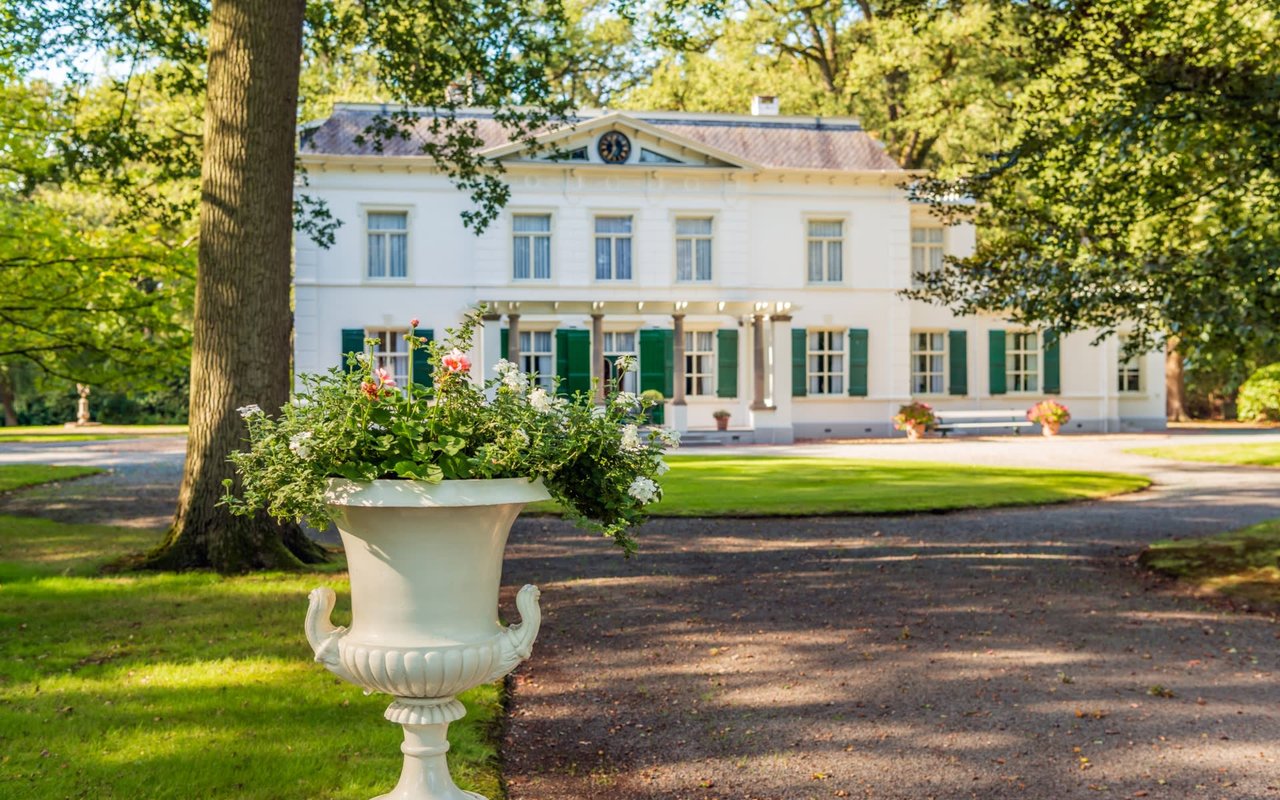
California buyers bring California pricing instincts to Austin- here's how to avoid paying a premium you don't need to pay.
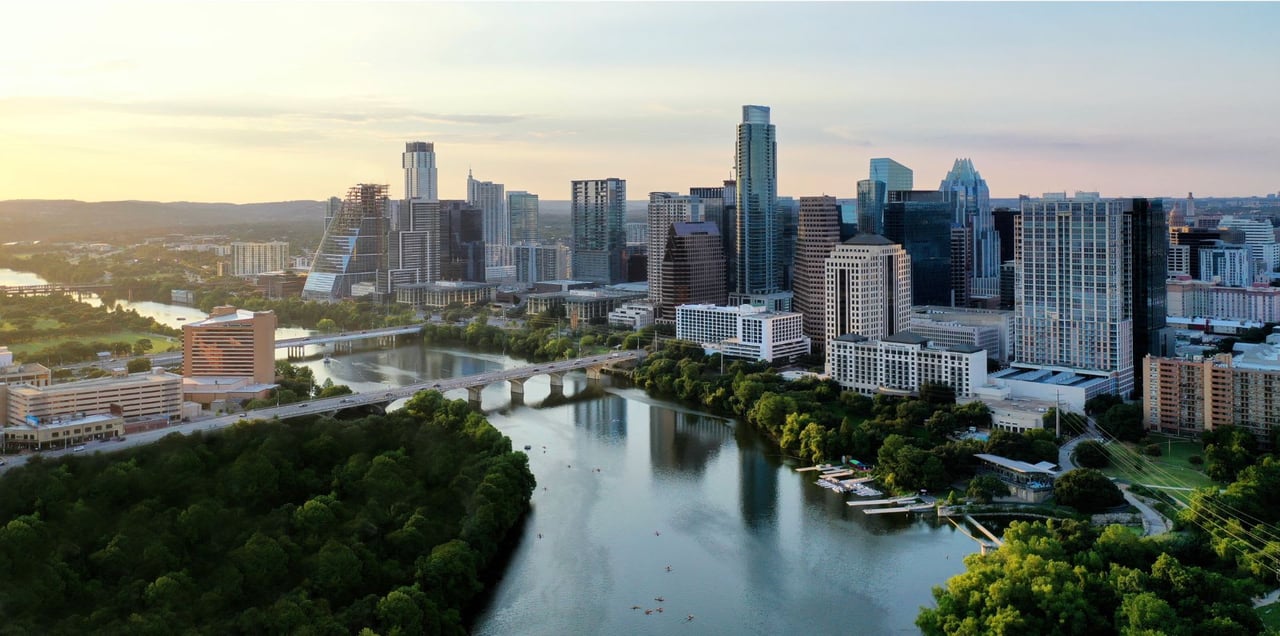
Most luxury sellers in Austin lose money in the first 14 days on market, not at the closing table. Here's how to price, prep, and negotiate so you don't.
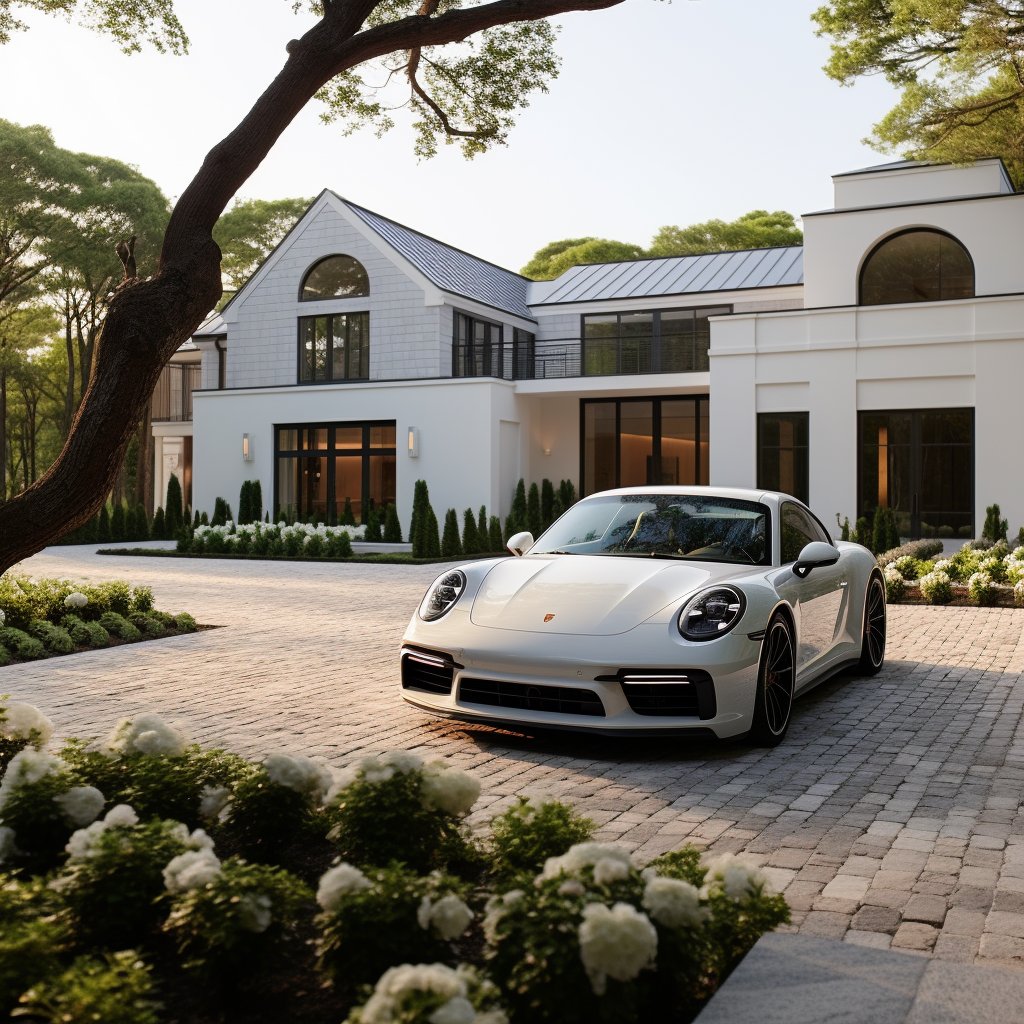
The calendar matters more at $1M+ than at any other price point in Austin. Here's when luxury homes actually sell fastest and for the most — and when to hold.
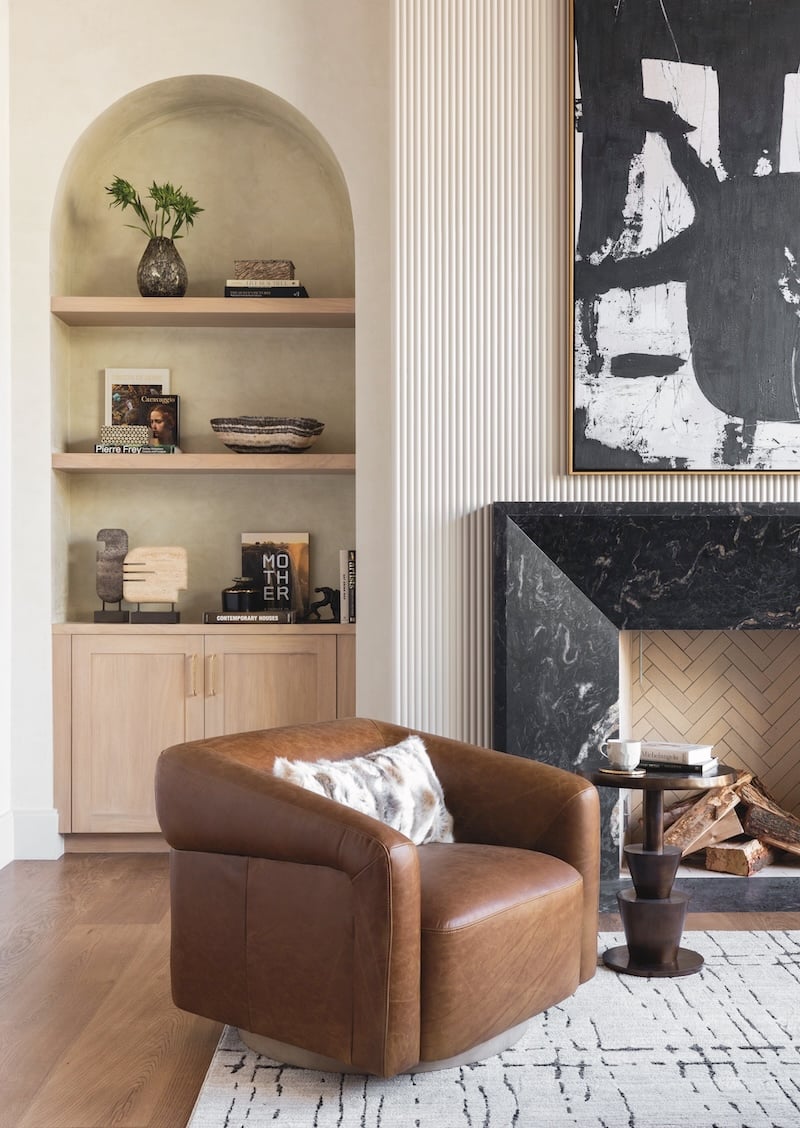
Here's what staging really does for a $1M+ listing, what it costs, and the handful of moves that change the number on the contract.
Get in Touch
KELSEY EASTON
2500 BEE CAVES RD WEST LAKE HILLS TX 78746