
Kelsey Easton July 28, 2026
By Kelsey Easton, REALTOR | Compass | Austin, TX
AMD has told its Austin workforce to be back on campus full time by next summer, and that single policy change is about to send a wave of employees house hunting. If you are one of them, the question is not just "should I move," it is "where." I get this question constantly from AMD families relocating to Austin or upgrading their commute, and the honest answer starts with the campus itself.
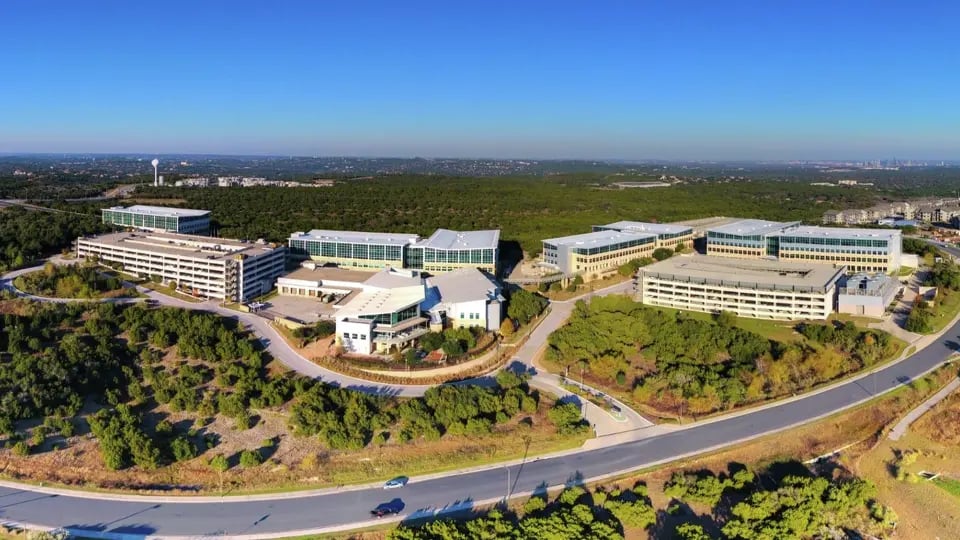
AMD's Lone Star campus sits at 7171 Southwest Parkway in the Oak Hill area of southwest Austin, right where Highway 290 and Highway 71 meet Southwest Parkway and Mopac. That location matters more than people expect. It is not downtown, it is not the Domain, and it is not north Austin. It is southwest, tucked into the hill country edge of the city, which puts you within easy reach of some of Austin's most desirable (and priced accordingly) neighborhoods. Here is my full breakdown of what it is actually like to live here, where to live based on your commute tolerance, and the schools worth knowing about before you buy.
Austin's tech and semiconductor scene has grown up alongside AMD, Apple, Tesla, Samsung, and Oracle, so you are joining a community that already understands the rhythm of chip cycles, product launches, and long hours in the fab or the lab. The lifestyle trade-off is real and, in my experience, almost always worth it: no state income tax, a lower cost of living than the Bay Area or Seattle, genuinely excellent food and live music, and a hill country landscape (lakes, greenbelts, swimming holes) that most tech hubs simply do not have.
The one thing every relocating employee needs to hear honestly is traffic. Mopac and Southwest Parkway back up hard during the 7:30 to 9:00 a.m. and 4:30 to 6:00 p.m. windows, and a neighborhood that looks close on a map can turn into a 35-minute crawl at the wrong time of day. This is exactly why I tell AMD families to shop by drive time, not by mileage, and why the two categories below (15 minutes and 30 minutes) are built around realistic commute windows rather than straight-line distance.
Housing prices in southwest Austin and the Hill Country suburbs have moderated over the last two years compared to the 2021 to 2022 peak, which has actually made this a more approachable window for relocating buyers than it was during the pandemic boom. It is still not cheap, but well-qualified tech buyers are finding more room to negotiate than they did a few years ago. The price ranges below are current 2026 approximations and move with the market, so treat them as a starting point for planning rather than a quote.
A large share of the AMD employees I work with are relocating from Sunnyvale, Santa Clara, or elsewhere in the Bay Area, and the financial picture changes more than most people expect. Overall cost of living runs roughly 66 percent lower moving from San Jose and well over 100 percent lower moving from Sunnyvale, and the gap is driven almost entirely by housing. The Bay Area's median home price sits above $1M, compared to roughly $500K to $700K for a solid Austin home outside the ultra-luxury neighborhoods above. Add in Texas having no state income tax at all, and take-home pay on an AMD salary generally improves substantially with a move here.
There is one honest trade-off worth understanding before you buy: Texas leans harder on property taxes to make up for the lack of income tax. Travis County's effective property tax rate typically runs 1.8 percent to 2.3 percent of assessed value, compared to California's Prop 13 capped rate near 1.1 percent to 1.25 percent. On a $750K home that is roughly $10,800 to $13,500 a year in property tax, even after the homestead exemption. Texas raised its homestead exemption for school district taxes to $140,000 starting in 2026, and Travis County adds its own 20 percent homestead exemption on top, which meaningfully softens the bill once you file. You can apply for the homestead exemption any time after closing, though the standard annual filing deadline is April 30.
Mopac and Southwest Parkway traffic is real, but driving alone is not the only option. CapMetro's Route 171, the Oak Hill Flyer, runs along Southwest Parkway and connects to the Pinnacle Park and Ride, which is a genuine option for anyone in Oak Hill or Circle C who wants to skip daily traffic and parking. Given how concentrated the tech workforce is along this stretch of 290 and 71, informal vanpools and carpools are also common. If you are choosing a neighborhood partly around commute flexibility, it is worth asking about vanpool participation before assuming you are locked into driving alone every day.
These are the closest, lowest stress commute options. Most of them let you skip the highway almost entirely.
Oak Hill. This is the neighborhood AMD's campus is actually in, and it remains one of the most practical, no drama commutes in the city. Oak Hill has a mix of established mid-century homes and newer builds, easy access to Highway 290 and Mopac, and a laid-back, more affordable feel than the neighborhoods immediately to its east. Home prices here typically run from the $500Ks to around $900K. View homes in Oak Hill here.
Circle C Ranch. A large, family oriented master planned community just south of the AMD campus off Mopac and Slaughter Lane. Circle C is known for its resort-style amenity centers, greenbelt trails, and a strong sense of community, and it is one of the most popular landing spots for AMD and tech families who want a newer home with a short, easy commute. Prices span roughly $450K to $1.3M or more, with a median in the high $700Ks. See my full Circle C Ranch guide for more detail, or view homes in Circle C Ranch here.
Travis Country. A quieter, tree-covered neighborhood directly adjacent to the AMD campus, popular with buyers who want mature landscaping and a more established feel without sacrificing commute time. Many Travis Country residents can reach AMD in well under 15 minutes. Expect prices in the $600Ks to just over $1M. View homes in Travis Country here.
Barton Creek. One of Austin's premier gated, golf course communities, sitting in the hills just northeast of AMD. Homes here run larger and more custom, with privacy and views that are hard to find closer to downtown, and the drive to AMD is still short. This is a true luxury price point, generally $1.5M to $5M or more depending on the sub community. See my full Barton Creek guide for more detail, or view homes in Barton Creek here.
Lost Creek. A smaller, established neighborhood tucked between Barton Creek and West Lake Hills, appealing to buyers who want Eanes ISD schools with a shorter commute than Westlake proper. Homes here typically trade between $1.2M and $2M or more. View homes in Lost Creek here.
Rob Roy. A gated, custom home enclave in the hills above the Colorado River, offering some of the most private and architecturally striking properties near AMD, with quick access via Loop 360. Pricing generally starts near $1.8M and can exceed $3M for estate properties. View homes in Rob Roy here.
Belterra. Worth calling out on its own: this master planned community in Dripping Springs sits right off Highway 290, and the drive to AMD runs about 18 minutes, making it one of the fastest commutes on this entire list despite being technically outside the city limits. Belterra offers newer construction, strong amenities, and Dripping Springs ISD schools at a price point well below most of the neighborhoods above it, generally $550K to $900K. See my full Belterra guide for more detail, or view homes in Belterra here.
Bee Cave. Another one that surprises people: because AMD sits right at the start of the Southwest Parkway to Highway 71 corridor, the drive to Bee Cave and the Hill Country Galleria area runs closer to 15 minutes than the 20 to 25 minutes you would expect if you measured from downtown Austin instead. Bee Cave offers newer construction, strong retail, and Lake Travis ISD schools, with prices typically between $700K and $1.3M. View homes in Bee Cave here.
These trade a few extra minutes of commute for more house, more land, better lake access, or a different school district.
West Lake Hills and Rollingwood. Austin's most established luxury enclaves, known for Eanes ISD schools, mature oak canopies, and proximity to downtown and the Barton Springs greenbelt. The commute to AMD runs 20 to 30 minutes depending on the route and time of day. Both command true luxury pricing, generally $1.8M to $3.5M or more. See my full West Lake Hills guide for more detail, or view homes in West Lake Hills here or view homes in Rollingwood here.
Lakeway. A lake community on Lake Travis with a resort feel, golf courses, and a strong sense of place, typically 25 to 30 minutes from AMD. Expect a range of about $600K to $1.2M. See my full Lake Travis / Lakeway guide for more detail, or view homes in Lakeway here.
Dripping Springs. Known as the Gateway to the Hill Country, this is the choice for buyers who want acreage, newer master planned communities like Caliterra, and top rated Dripping Springs ISD schools, generally 25 to 30 minutes from AMD via 290. This is the most approachable price point in the 30 minute radius, generally $450K to $900K, with acreage properties running higher. (See Belterra above, technically closer at 18 minutes.) See my full Dripping Springs guide for more detail, or view homes in Dripping Springs here.
Steiner Ranch. A large master planned community along Lake Austin with excellent amenities and Leander ISD schools, usually 25 to 30 minutes from AMD via 360. Home prices typically range from $650K to $1.1M. See my full Steiner Ranch guide for more detail, or view homes in Steiner Ranch here.
Tarrytown and central Austin. For employees who want to be closer to downtown culture and don't mind trading a few extra commute minutes, Tarrytown offers historic charm, walkability, and easy access to Mopac, generally 25 to 30 minutes from AMD. Tarrytown is one of Austin's most expensive zip codes, with prices generally running $900K to $3M or more and estate properties well above that. See my full Tarrytown guide for more detail, or view homes in Tarrytown here.
Easton Park. Austin's fast growing master planned community in southeast Austin, roughly 30 minutes from AMD, though the cross town drive can run noticeably longer during peak traffic since it involves clearing downtown or looping around it. Easton Park is a strong value pick for buyers who want new construction and resort style amenities, with Del Valle ISD schools and prices generally from the high $400Ks to the $750Ks. See my full Easton Park guide for more detail.
Neighborhood | Drive to AMD | Typical Price Range | School District |
|---|---|---|---|
Oak Hill | About 10 minutes | $500K to $900K | Austin ISD |
Travis Country | Under 15 minutes | $600K to $1M+ | Austin ISD |
Circle C Ranch | About 15 minutes | $450K to $1.3M+ | Austin ISD |
Barton Creek | About 15 minutes | $1.5M to $5M+ | Eanes ISD |
Lost Creek | About 15 minutes | $1.2M to $2M+ | Eanes ISD |
Rob Roy | About 15 minutes | $1.8M to $3M+ | Eanes ISD |
Belterra | About 18 minutes | $550K to $900K | Dripping Springs ISD |
Bee Cave | About 15 minutes | $700K to $1.3M | Lake Travis ISD |
West Lake Hills / Rollingwood | 20 to 30 minutes | $1.8M to $3.5M+ | Eanes ISD |
Lakeway | 25 to 30 minutes | $600K to $1.2M | Lake Travis ISD |
Dripping Springs | 25 to 30 minutes | $450K to $900K | Dripping Springs ISD |
Steiner Ranch | 25 to 30 minutes | $650K to $1.1M | Leander ISD |
Tarrytown | 25 to 30 minutes | $900K to $3M+ | Austin ISD |
Easton Park | About 30 minutes, longer in traffic | High $400Ks to $750Ks | Del Valle ISD |
Eanes ISD (West Lake Hills, Rollingwood, Barton Creek, Lost Creek). Consistently ranked among the top districts in Texas, Eanes is the district most relocating AMD families ask about by name. Expect strong academics, competitive athletics, and home prices that reflect the district's reputation.
Austin ISD (Oak Hill, Circle C, Travis Country). The AMD campus itself falls within Austin ISD boundaries, and schools serving Oak Hill and the surrounding area (feeding into Small Middle School and Bowie High School) offer a solid public option with a shorter commute and a more moderate price point than Eanes.
Lake Travis ISD (Bee Cave, Lakeway). A top-rated district known for strong academics and a big athletics program, popular with families willing to trade a slightly longer commute for newer housing stock and lake access.
Dripping Springs ISD (Dripping Springs, Belterra, Caliterra). One of the fastest-improving districts in the metro, with a strong reputation and noticeably more affordable homes than Eanes or Lake Travis, at the cost of a longer commute to AMD.
Leander ISD (Steiner Ranch and other northwest communities). A large, highly rated district known for its academic and National Merit results, though it sits at the outer edge of a reasonable AMD commute.
Southwest Austin sits close to several of the city's strongest private schools, and a number of them are practically neighbors to the AMD campus.
Regents School of Austin. A classical Christian K through 12 school on Travis Country Circle, essentially minutes from AMD, drawing families from Travis Country, Circle C, Barton Creek, and Oak Hill.
St. Michael's Catholic Prep. A PreK through 12 Catholic school with campuses in the southwest hills, popular with AMD families in Circle C, Travis Country, Barton Creek, and Lost Creek who want a faith-based option close to home.
Austin Waldorf School. An arts-integrated, developmental Waldorf school in Oak Hill, a natural fit for families already living within that 15-minute radius of AMD.
St. Andrew's Episcopal School. A rigorous K through 12 college prep school with campuses near Tarrytown and in southwest Austin, popular with families in West Lake Hills, Barton Creek, and Rollingwood.
St. Stephen's Episcopal School. A grades 6 through 12 school (with boarding options) on a hilltop campus off Bee Cave Road, drawing day families from West Lake Hills, Rollingwood, and Barton Creek.
Trinity Episcopal School. A warm, smaller PreK through 8 school in West Lake Hills, a common choice for AMD families in the 30-minute radius who want an elementary-focused private option.
Headwaters School. A Montessori into International Baccalaureate school with a south Austin elementary campus on Brodie Lane, convenient for families in Circle C and south Austin.
Families relocating for AMD ask me constantly which specific schools are worth targeting, not just which district. Based on current Niche and GreatSchools ratings, here is how the standouts break down district by district within a reasonable commute of the Lone Star campus.
Eanes is the flagship. Westlake High School carries a Niche A+ and a 9 out of 10 GreatSchools rating and is routinely cited as a top 3 public high school in Texas. What is notable is that the elementary tier has almost no weak link: Bridge Point Elementary, Barton Creek Elementary, and Eanes Elementary all sit at a perfect 10 out of 10 GreatSchools. Serving West Lake Hills, Barton Creek, Lost Creek, and Rollingwood, this is about as safe an "any school in the district is excellent" bet as exists in the metro.
Serving Bee Cave and Lakeway, Lake Travis ISD sits right behind Eanes district-wide, with a 9 out of 10 GreatSchools rating and a Niche A+, plus a 98 percent graduation rate. Lake Travis High School itself carries an 8 out of 10 GreatSchools rating and a Niche A+. Ranked by elementary school:
Bowie High School carries a Niche A grade and an 8 out of 10 GreatSchools rating, ranking 19th among all high schools, public, charter, and private, in the Austin metro, with a 98 percent graduation rate. That is a real, credible sought-after tier, just one notch below the Eanes and Lake Travis group rather than a consolation prize. For the elementary schools feeding into Bowie, serving Circle C, Oak Hill, and Travis Country, ranked by 2026 GreatSchools ratings:
Serving Dripping Springs, Belterra, and Caliterra, this is the fast-improving, more affordable story of the group. Dripping Springs High School holds an A rating. Ranked by elementary school:
Leander ISD is a large district, and most of its highest-rated schools, including Laura Welch Bush and Deer Creek at 10 out of 10 and River Ridge at 9 out of 10, sit up in Cedar Park and Leander proper, well outside a reasonable AMD commute. The one that actually matters for this list is Steiner Ranch Elementary itself, at 8 out of 10 GreatSchools, feeding into Vandegrift High School, which carries a Niche A grade and strong college placement.
This breakdown leans toward high schools since that is what most relocating families ask about first, but I am happy to walk through elementary and middle school options for any of these neighborhoods in more detail.
90 days out. Start house hunting seriously, get pre-approved with a lender who understands relocation packages and equity compensation, and take a house hunting trip if your package includes one.
60 days out. Sign a contract if you are buying, or lock in a rental. Once you have a Texas address, you have 30 days to register your vehicle in Texas and 90 days to get a Texas driver's license, so it is worth starting this process early. As of 2025, Texas eliminated the annual safety inspection requirement for most non-commercial vehicles, which simplifies this step.
30 days out. Schedule your move, transfer utilities, and register to vote in Texas if you plan to.
After you close. File your homestead exemption with the Travis Central Appraisal District (or the relevant county appraisal district) as soon as you close. You do not need to wait for the following tax year, and filing early avoids missing next year's deadline.
Extended stay and corporate housing are common bridge options for AMD employees who need to be on the ground before closing on a home, especially with the return to office deadline compressing everyone's timeline at once. National corporate housing providers including Blueground, Landing, and Placemakr all carry inventory in Austin, and traditional extended stay hotel brands cluster along the Mopac and 290 corridor within a few minutes of the AMD campus. If your relocation package includes a temporary housing allowance, it is worth asking your mobility team whether it can be applied to a short-term furnished rental in Oak Hill or Circle C specifically, so you are already living in the area you are likely to buy in rather than somewhere across town.
Every company's relocation package looks a little different, but most fall into one of two structures: a lump sum, where you receive a flat amount to cover the move and manage the logistics yourself, or a full service package administered through a relocation management company, which typically covers a house hunting trip, temporary housing, and a set number of days of moving and storage. If AMD's package includes a preferred or approved agent network, you are usually not required to use it exclusively, though working with an agent who already understands relocation paperwork and timelines can save real time. Either way, the earlier you loop in a local agent, even before your offer is finalized, the more useful they can be in helping you understand realistic budgets, timelines, and neighborhood trade-offs before you are under pressure to decide.
Where do most AMD employees live in Austin?
Most AMD employees cluster in the neighborhoods closest to the Lone Star campus in Oak Hill: Circle C Ranch, Travis Country, Oak Hill itself, and Barton Creek. Families who prioritize schools over commute time often choose West Lake Hills, Bee Cave, or Lakeway instead.
What neighborhood is closest to AMD's Austin office?
Oak Hill and Travis Country are the closest established neighborhoods to AMD's campus at 7171 Southwest Parkway, both typically under a 15-minute drive.
Is Bee Cave actually a 15-minute drive from AMD?
Yes, closer to 15 minutes than the 20 to 25 minutes people often assume, since AMD's campus sits directly on the Southwest Parkway to Highway 71 route into Bee Cave rather than requiring a trip through downtown first.
Is Circle C or West Lake Hills better for AMD employees?
Circle C offers a shorter commute, newer construction, and strong amenities at a more moderate price point. West Lake Hills offers Eanes ISD schools, mature neighborhoods, and closer proximity to downtown, at a higher price point and a slightly longer commute. The right choice depends on whether commute time or school district matters more to your family.
What school district serves the area around AMD's Austin campus?
The AMD campus itself falls within Austin ISD. Families who want Eanes ISD instead typically buy in West Lake Hills, Rollingwood, Barton Creek, or Lost Creek, all within a reasonable commute.
How much cheaper is Austin than the Bay Area for AMD employees relocating from Sunnyvale or Santa Clara?
Overall cost of living runs roughly 66 percent lower moving from San Jose and well over 100 percent lower moving from Sunnyvale, driven mostly by housing, with Texas's lack of a state income tax adding further savings. The one offset to budget for is a higher property tax rate than California's Prop 13 capped system.
How is the return-to-office mandate affecting AMD relocations to Austin?
With AMD requiring employees back on campus full time by next summer, I am already seeing a noticeable increase in relocation inquiries and in current employees looking to move closer to the Lone Star campus to shorten their commute. Homes within the 15-minute radius are getting more competitive, so I recommend starting the search early.
I have helped dozens of Austin tech and semiconductor families find the right neighborhood, weigh the school decision, and navigate the commute question that comes with working at AMD. If you are relocating for AMD's return-to-office policy or simply want a shorter drive to the Lone Star campus, I would love to help you find the right fit.
Kelsey Easton
REALTOR | Compass | Austin, TX
Phone or text: (512) 699-6091
Email: [email protected]
Website: kelseyeaston.com
For more information on real estate near AMD or anywhere in the Austin area, inquire here.
Buying, selling, or just exploring? Let's connect.


On being named a Rising Star by Austin Real Producers, and the part of the story the article didn't have room for

Neighborhoods, prices, dock rules, and what October's 10-foot drawdown means for buyers and owners

In a competitive $1M+ Austin listing, cash isn't automatically king — here's what actually sways sellers.
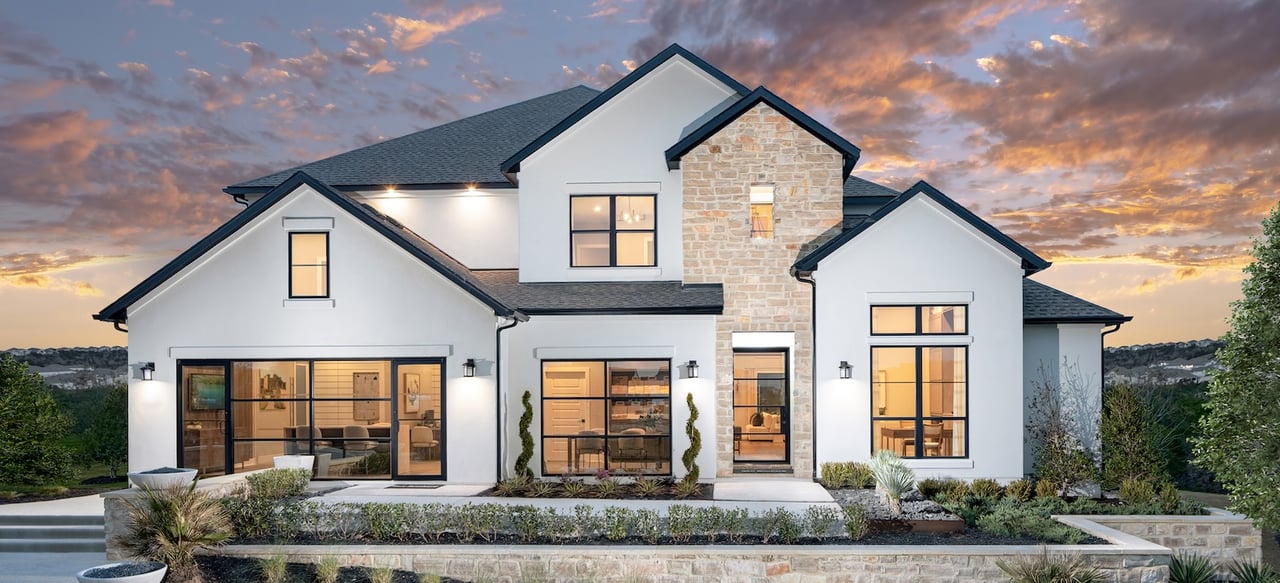
Beyond the finishes — the foundation, utility district, and warranty details that actually determine whether your new $1.5M+ home holds up.

A general inspection isn't enough at this price point- here's what I have every $1M+ buyer check before closing.
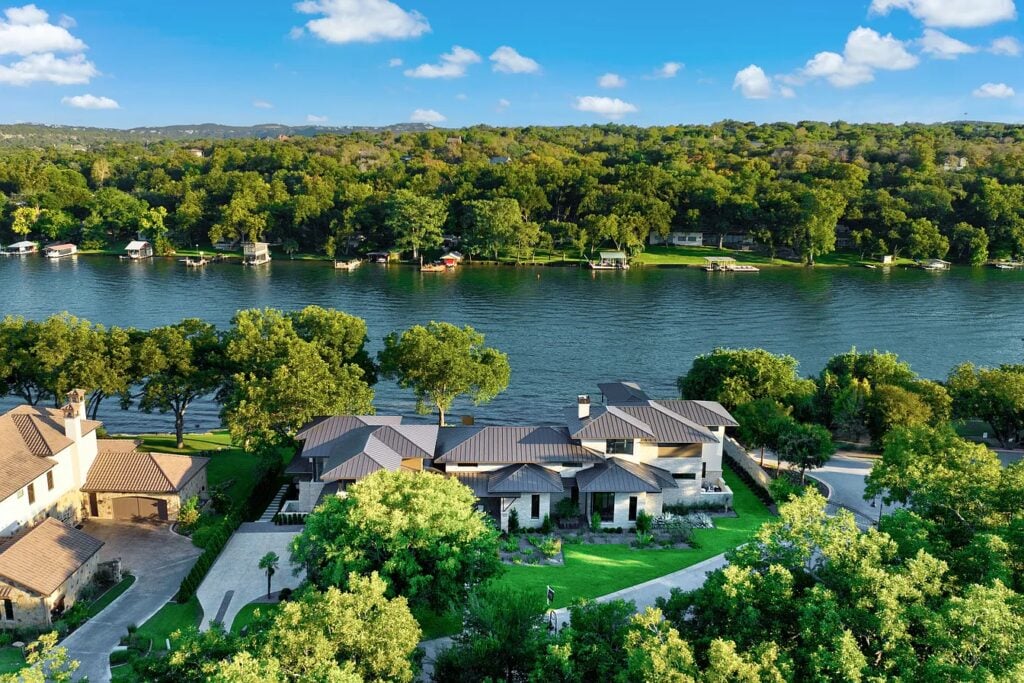
A straight-talking breakdown of square footage, neighborhoods, and lot size at each price point in today's Austin luxury market.
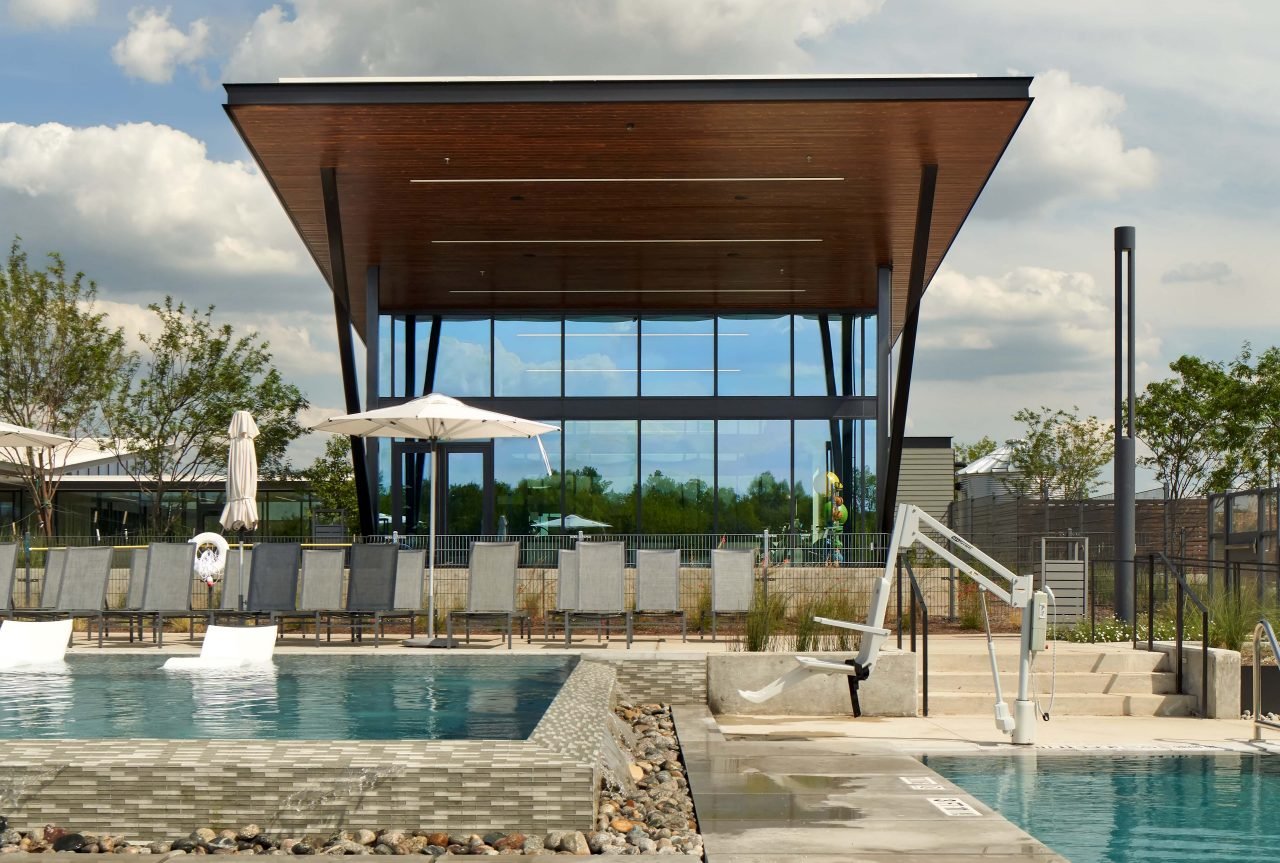
Easton Park comes up constantly with my clients' adult kids, downsizing parents, and investors. Here's an honest read on where it delivers and where it doesn't.

An Austin agent's guide for Oracle employees on where to live near the riverside campus, with the best central neighborhoods, honest school zone breakdowns, and what t… Read more

An Austin agent's guide for Tesla Gigafactory employees on where to live near the Del Valle campus, with the best neighborhoods within 15 and 30 minutes, honest school… Read more
Get in Touch
KELSEY EASTON
2500 BEE CAVES RD WEST LAKE HILLS TX 78746