

Kelsey Easton August 11, 2026
A standard Austin home inspection covers the basics, but at $1M+ it won't catch the issues that actually cost real money: foundation movement on expansive clay soil, aging HVAC zoning in a large house, pool equipment, well and septic systems on acreage lots, or code issues from a permit-free renovation. I require four to six specialized inspections beyond the general one on every luxury deal I work, and here's exactly what they are and why each one matters.
Luxury homes tend to come with more expensive—and more complicated—systems: multiple HVAC units, pools and spas, propane tanks, septic systems, extensive outdoor living, specialty electrical, older plumbing, and sometimes renovations completed over several decades. Austin also presents its own set of property-specific concerns, from expansive soils and foundation movement to limestone, mature trees, aging sewer lines, and pools built into challenging terrain.
The goal isn't to find a "perfect" house. Almost every inspection will uncover something. The goal is to understand what you're buying, what may need attention now, and what could become a significant expense later.
Depending on the property, I typically recommend several specialized inspections in addition to the general home inspection.
Estimated cost: $600–$1,200+
Your general inspection is the starting point. The inspector evaluates the home's major visible and accessible components, including the roof, foundation, plumbing, electrical, HVAC, appliances, attic, windows, drainage, and other structural and mechanical systems.
For larger luxury properties, pricing generally increases based on square footage, age, additional structures, pools, and other features.
A good general inspector can identify warning signs, but they are not necessarily the final authority on every system. When something is flagged—or when the property contains a particularly expensive or specialized system—I prefer to bring in the appropriate specialist during the option period.
Estimated cost: $500–$1,000+
Foundation movement is one of the biggest concerns buyers hear about in Central Texas, and for good reason. Much of the Austin area has expansive soils that expand and contract as moisture levels change.
Cracks don't automatically mean a home has a foundation problem. Likewise, a house that looks perfectly fine isn't necessarily free of movement.
When there are meaningful signs of movement—or when the home's age, construction, topography, or inspection findings warrant additional investigation—I recommend having a licensed structural engineer evaluate the property rather than relying solely on a foundation repair company.
An engineer can take elevation measurements, evaluate cracking and movement patterns, and help determine whether the condition is cosmetic, historic/stable, or indicative of an active structural issue.
Foundation repairs can range from relatively minor corrections to tens of thousands of dollars, making this one of the highest-value additional inspections a buyer can order.
Estimated cost: $250–$600+
A pool inspection deserves more attention than simply confirming that the pump turns on.
Austin luxury pools can contain tens of thousands of dollars in equipment between pumps, heaters, filters, automation, lighting, water features, spas, cleaners, and specialty equipment. I prefer a dedicated pool professional to evaluate both the equipment and the physical condition of the pool.
The inspection should include items such as:
One issue I pay particular attention to when buying a home with a newer concrete pool in Austin is alkali-silica reaction (ASR), commonly referred to as “concrete cancer. Unlike normal surface cracking or aging pool plaster, ASR is a chemical reaction occurring within the concrete pool shell itself. Certain reactive aggregates can interact with alkalis in the cement in the presence of moisture, creating an expansive gel. Over time, that expansion can crack and deteriorate the concrete from within.
Central Texas has experienced a significant concentration of affected pools, with pools constructed roughly between 2016/2017 and 2023 appearing to warrant particular attention. The COVID-era pool-building boom of approximately 2020–2022 is an especially important window for buyers to be aware of. This means I don't automatically assume a newer pool is less risky than an older one. If I'm representing a buyer purchasing an Austin home with a gunite or shotcrete pool from this period, I want to know when the pool was built- and ideally when the concrete shell itself was installed.
Warning signs can include unusual or worsening cracks, unexplained water loss, surface deterioration, flaking or spalling concrete, rust-colored staining, bulging areas, or gel-like material appearing around cracks.
The biggest concern is that ASR can be progressive. What initially looks like relatively minor cracking may represent deterioration occurring within the pool shell, and simply resurfacing or replastering the pool may not correct a problem originating in the concrete itself. That's also why I distinguish between a standard pool inspection and an ASR evaluation. A pool inspector is important for evaluating pumps, heaters, filters, automation, plumbing, visible leaks, finishes, coping, and general pool condition. But when the pool's construction date or visible condition raises concern for ASR, I may recommend bringing in a specialist who can evaluate the concrete itself and determine whether additional testing, including petrographic analysis, is warranted.
For an Austin luxury buyer, this is a relatively new due-diligence consideration, but an important one. A beautiful pool can represent a significant portion of a property's value, and discovering a serious shell problem after closing can turn what looked like an amenity into a major construction project.
Estimated cost: $150–$400 per system, depending on scope
Once you get into larger homes, HVAC becomes significantly more complicated.
A 5,000-square-foot home may have three or four HVAC systems, multiple thermostats, zoning controls, motorized dampers, dehumidification systems, and other components. Replacing several systems can easily become a five-figure expense.
A dedicated HVAC technician can perform a more detailed evaluation of system performance, including components a general inspector may not fully diagnose.
For an older luxury home—or one with multiple aging systems—I almost always want to know the approximate age and condition of every unit, not simply whether the house is cooling on inspection day.
Estimated cost: $200–$400
This is one of the simplest inspections buyers can overlook.
A plumber inserts a camera into the home's main sewer line to look for cracks, deterioration, offsets, blockages, root intrusion, or damaged sections.
I particularly recommend sewer scopes on older Austin homes and properties with large mature trees. Older neighborhoods may also have aging plumbing materials that warrant a closer look.
A sewer line can function normally during a general inspection while still containing significant defects underground. Repairing or replacing a damaged line—especially beneath a driveway, slab, extensive landscaping, or hardscape—can become expensive quickly.
Estimated cost: $150–$400+
Propane is another system that deserves specialized attention and is more common on Austin-area luxury and acreage properties than some buyers expect.
A property may use propane for the range, fireplaces, pool heater, water heaters, outdoor kitchen, generator, or other appliances.
If a home has propane, I recommend confirming:
A qualified propane professional can perform appropriate safety and leak testing and evaluate whether the system appears properly installed and maintained.
Buyers should also understand exactly what systems in the home rely on propane so they aren't surprised by operating requirements or future replacement costs.
Estimated cost: $400–$800+
Pumping, if needed: approximately $400–$800+
Not every luxury Austin home is connected to municipal sewer.
Properties farther outside the urban core—or homes on larger lots—may have conventional or aerobic septic systems. These should be inspected separately.
A septic inspection can evaluate the tank, pumps, controls, drain field, and general operation of the system. Depending on the property and maintenance history, pumping may also be recommended as part of the evaluation.
Replacing a failing septic system can easily cost $15,000–$30,000+, and complicated sites can cost considerably more.
Estimated cost: $300–$700+
For properties on private wells, I recommend evaluating both the well itself and the water.
Testing may include well flow or yield, pressure equipment, pumps, storage systems, and laboratory water-quality testing.
A beautiful acreage property can have an entirely different infrastructure profile from a home connected to Austin Water, so understanding the condition and capacity of the well is important before closing.
Estimated cost: $200–$500+
A dedicated electrician isn't necessary on every purchase, but I recommend one when the general inspection identifies concerns or when the property contains complicated electrical systems.
That can include whole-home generators, extensive landscape lighting, EV charging equipment, pools and spas, home theaters, elevators, wine rooms, smart-home systems, or substantial additions and renovations.
Older luxury homes can also have layers of electrical work from different renovation periods. I want my buyers to know whether they're looking at a relatively simple correction or a much larger modernization project.
Estimated cost: $200–$500+ before additional testing
A plumber may be appropriate when the general inspector identifies pressure issues, signs of previous leaks, aging plumbing materials, drainage concerns, or other red flags.
Depending on the property, additional testing may be recommended.
This becomes particularly important with older homes, extensively renovated homes, and properties where plumbing repairs would require opening expensive flooring, stone, cabinetry, or other finishes.
Estimated cost: Free–$300+
Austin's hail and severe-weather history makes the roof worth paying attention to.
General inspectors evaluate roofs, but when the roof is older, unusually complex, made from specialty materials, or shows evidence of storm damage, I may recommend a separate roofer evaluation.
On a large luxury property, roof replacement can be a substantial expense—especially with metal, tile, slate, or complicated rooflines.
Buyers should also ask about previous insurance claims, repairs, warranties, and the approximate age of the roof.
Estimated cost: $100–$250
Termites are common enough in Texas that I often recommend a Wood Destroying Insect (WDI) inspection, particularly on older homes.
The inspector looks for evidence of active or previous termite activity and other wood-destroying insects, along with conditions that may make infestation more likely.
Estimated cost: $400–$1,000+ depending on testing
This isn't something I automatically recommend for every property.
However, if an inspection reveals visible microbial growth, previous water intrusion, suspicious staining, chronic humidity, HVAC contamination, or unexplained moisture, further evaluation may be worthwhile.
The important distinction is that finding the moisture source is just as important as identifying mold. Cleaning a surface without correcting the underlying leak, drainage, humidity, or HVAC problem doesn't solve the cause.
Estimated cost: $200–$500+
For homes with wood-burning fireplaces, masonry chimneys, or multiple fireplaces, a dedicated chimney inspection may be appropriate.
This is particularly relevant for older homes where the chimney liner, masonry, flashing, damper, or firebox may have deteriorated over time.
One category buyers sometimes overlook is the extensively renovated property.
Austin has beautiful homes that have been expanded and remodeled multiple times over decades. When I'm evaluating one, I want to understand not only how beautiful the renovation looks, but also what was done behind the walls.
Depending on the property, we may research available permits and bring in additional specialists to investigate concerns raised during inspection.
A high-end kitchen and beautiful new flooring can make a home feel new while the underlying plumbing, electrical, drainage, foundation, or HVAC infrastructure may be decades older.
Inspection | Typical Estimated Cost |
|---|---|
General Home Inspection | $600–$1,200+ |
Structural Engineer/Foundation | $500–$1,000+ |
Pool & Spa | $250–$600+ |
HVAC | $150–$400 per system |
Sewer Scope | $200–$400 |
Propane | $150–$400+ |
Septic | $400–$800+ |
Septic Pumping | $400–$800+ |
Well/Water Testing | $300–$700+ |
Electrical | $200–$500+ |
Plumbing | $200–$500+ |
Roof | Free–$300+ |
WDI/Termite | $100–$250 |
Mold/Indoor Air Quality | $400–$1,000+ |
Chimney/Fireplace | $200–$500+ |
These are general Austin-area estimates and can vary significantly based on the property's size, location, number of systems, inspection company, and scope of testing.
For a relatively straightforward luxury home, I would generally budget $1,500–$3,000 for inspections.
For a larger or more complicated property with a pool, multiple HVAC systems, septic, well, propane, or structural concerns, the total due-diligence cost can easily reach $3,000–$5,000+.
That can feel like a lot of money before you've even purchased the home, but on a seven-figure property, I consider good due diligence money well spent.
A $300 sewer scope that uncovers a major line problem or a $500 pool inspection that identifies a significant structural concern can potentially save a buyer thousands—or give them important information before deciding whether to move forward.
Do I need every one of these inspections?
No. The inspection strategy should be specific to the property. A newer downtown condo requires a very different due-diligence process from a 1980s Westlake home with a pool, three HVAC systems, extensive renovations, and a large lot.
I build the inspection list around the home's age, location, construction, utilities, systems, inspection findings, and known history.
Can inspection findings be used to negotiate in Texas?
The option period is generally the buyer's primary due-diligence window in a Texas residential transaction. This is when we want inspections completed, specialists consulted, estimates collected when possible, and any repair or credit negotiations addressed.
The exact contractual rights and deadlines depend on the executed contract, which is why coordinating inspections quickly is so important.
How long should inspections take?
For a standard home, many inspections can be coordinated within several days. A complicated luxury property can take longer, particularly when engineers or specialty contractors need to be scheduled.
Rather than assuming every luxury purchase requires a specific number of option days, I look at the property, anticipated inspections, market conditions, and strength of the offer when advising clients on an option-period strategy.
Does a newer home still need specialized inspections?
Potentially, yes.
New construction doesn't automatically mean perfect construction. I've seen issues involving drainage, HVAC installation, roofing, electrical work, plumbing, grading, pools, and other systems in relatively new homes.
The inspection list may be shorter, but I still recommend appropriate independent due diligence.
When you're purchasing a luxury home in Austin, the general inspection should be viewed as the starting point of your due diligence—not necessarily the finish line.
The right inspection strategy depends on the individual property. A structural engineer may be the priority for one house, while another requires much closer attention to its pool, septic system, propane infrastructure, HVAC equipment, or previous renovations.
My role as a buyer's agent isn't to tell a client that every crack, old HVAC unit, or inspection finding is a reason to walk away. It's to help assemble the right specialists, identify the findings that actually matter, understand the potential costs, and give my clients enough information to make a confident decision before their option period expires.
Buying, selling, or just exploring? Let's connect.


Most luxury sellers in Austin lose money in the first 14 days on market, not at the closing table. Here's how to price, prep, and negotiate so you don't.

The calendar matters more at $1M+ than at any other price point in Austin. Here's when luxury homes actually sell fastest and for the most — and when to hold.

Here's what staging really does for a $1M+ listing, what it costs, and the handful of moves that change the number on the contract.

On being named a Rising Star by Austin Real Producers, and the part of the story the article didn't have room for

Neighborhoods, prices, dock rules, and what October's 10-foot drawdown means for buyers and owners

In a competitive $1M+ Austin listing, cash isn't automatically king — here's what actually sways sellers.
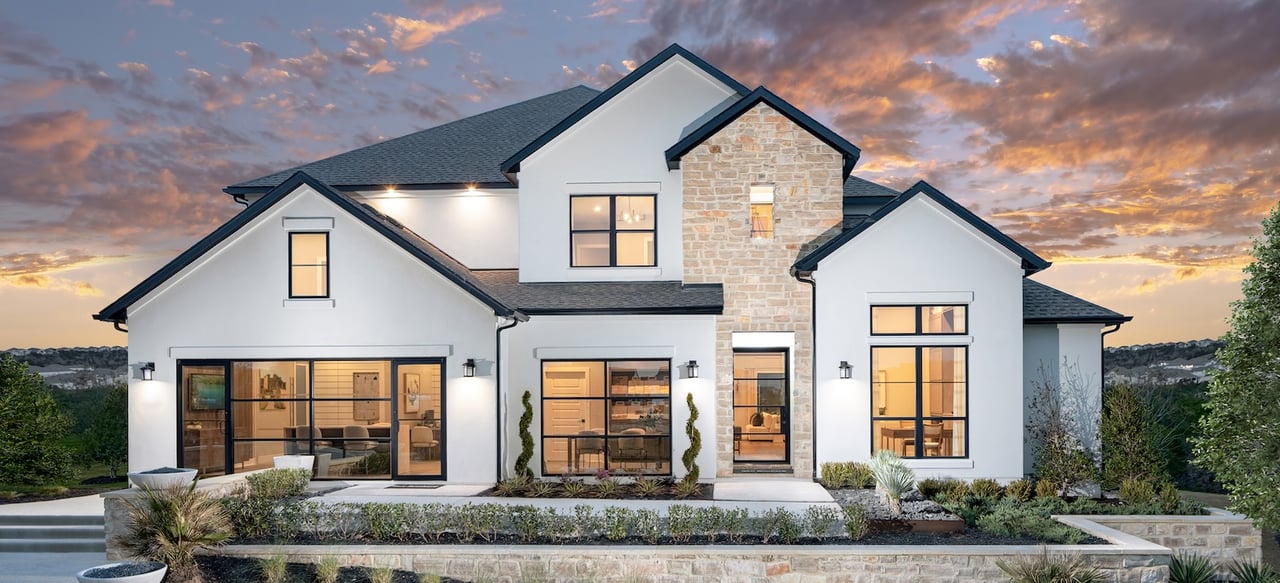
Beyond the finishes — the foundation, utility district, and warranty details that actually determine whether your new $1.5M+ home holds up.
A general inspection isn't enough at this price point- here's what I have every $1M+ buyer check before closing.
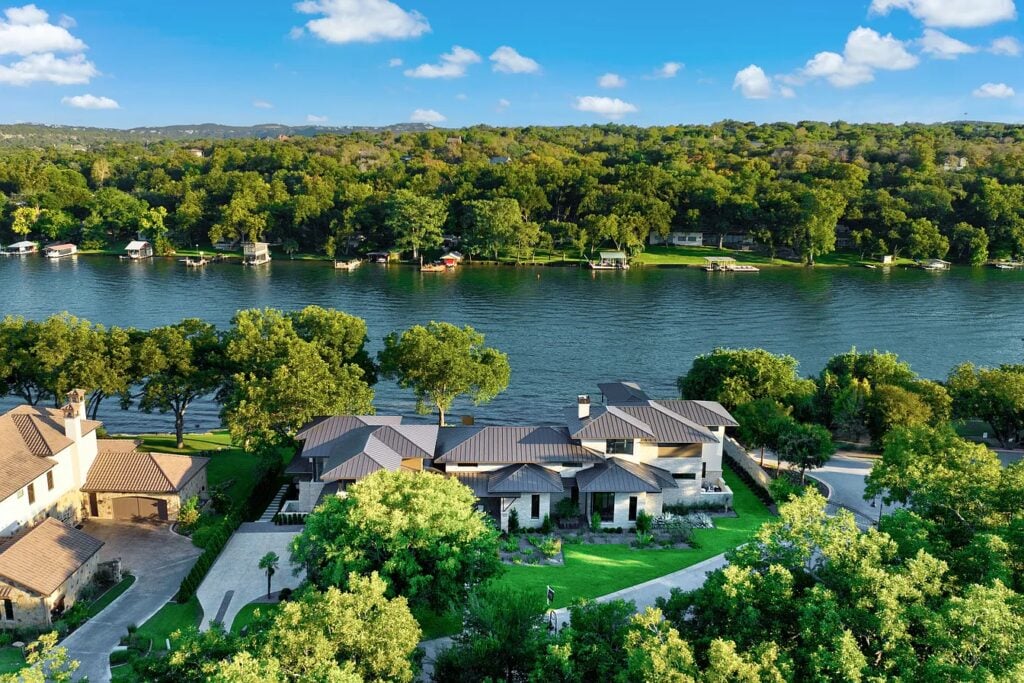
A straight-talking breakdown of square footage, neighborhoods, and lot size at each price point in today's Austin luxury market.
Get in Touch
KELSEY EASTON
2500 BEE CAVES RD WEST LAKE HILLS TX 78746